
Bhumi Bali School is a Kerobokan-based international school on the Canggu side, with a Cambridge learning pathway and a warm, student-centered feel.
Parent perspectives
These anonymized parent perspectives are intended to help families prepare questions for a tour or admissions conversation.
The community at Bhumi Bali School made a big difference for our family. Our 5-year-old found their feet fast, and the transition felt genuinely supported.
The fit with the international community feel has been great for our child. Lessons felt purposeful, and we noticed more confidence in class discussions.
The admin side was refreshingly clear — fees, schedules, and expectations were easy to understand. That kind of transparency mattered to us.
Quick notes
- Kerobokan area.
- Cambridge-based learning pathway (including Early Years).
- Ask about current year levels and intake options.
Recommended guides
View all guidesHow to Choose a School in Bali
School Fees in Bali: How to Compare Total First‑Year Cost
Admissions in Bali: Timeline, Documents, and What Happens Next
In-depth profile
Most parents don’t actually want a “special” school.
They want a school that does the simple things beautifully: children feel safe, teachers feel competent, learning feels steady, and the day has a rhythm that doesn’t exhaust the family. In Bali, that sounds easier than it is. Schools come in every style, and the marketing can make everything sound magical.
Bhumi Bali School is interesting because it tries to be both structured and warm—an international school feel with a clear academic spine, while still talking openly about the whole child.
The quick picture
Bhumi Bali School is located in Kerobokan (in the wider Canggu–Umalas corridor). Their public information emphasizes:
- Cambridge learning foundations (including Cambridge Early Years),
- student‑centered learning,
- and a holistic approach that goes beyond “just academics.”
If you’re new to Bali, Kerobokan can be a practical base: close enough to Canggu energy, but not trapped in the most intense traffic points. That matters more than people admit. A good school can be ruined by a brutal commute.
Why Cambridge can be comforting
Parents sometimes say they want “a progressive school,” but they also want their child to read well, write clearly, and feel confident with numbers. Cambridge works well as a backbone because it is:
- familiar to many international families,
- reasonably structured,
- and easy to translate when you move countries.
Think of it like a map. A child doesn’t have to follow the map in a boring way—but it helps to know where you are and where you’re going.
Bhumi’s Early Years messaging is especially clear: it talks about play‑based, hands‑on learning while building a foundation for later academics. That blend matters. When early years are too “academic,” children can become anxious and performative. When early years are too “free,” children can struggle later when structure arrives. The sweet spot is purposeful play.
What the day can feel like for a young child
Early years is not about “coverage.” It’s about confidence.
Confidence in:
- being away from parents,
- using language to solve problems,
- handling frustration,
- working with other children,
- and being curious without fear.
A good Early Years classroom does this quietly. It doesn’t force confidence. It builds it.
When you visit Bhumi, pay attention to the small details:
- Are children moving calmly between activities?
- Do teachers speak to children at eye level?
- Do children have choices—but within clear boundaries?
- Is there real work on the walls (children’s work), not only decorative posters?
Who Bhumi tends to suit
Bhumi can be a good match for families who want:
- an international environment without the feeling of a giant institution,
- a recognizable academic framework (Cambridge),
- and a school that talks about social and emotional development in a practical way.
It can also suit families who are thinking ahead. Even if you stay in Bali for only a few years, you may want a school that leaves your child in a strong position for the next move—Australia, Europe, Singapore, Jakarta, wherever life pulls you.
What to ask (the questions that reveal reality)
Because many schools use similar language—“holistic,” “student‑centered,” “international”—the key is to ask questions that force specifics:
-
How do you teach reading? Do they use a structured phonics approach? A mixed approach? How do they support struggling readers?
-
What does “student‑centered” mean here? Is it choice within a teacher‑designed structure, or is it mostly free exploration?
-
How do you handle behavior and conflict? Do they have clear routines for repair and discipline? How do they teach children to manage big emotions?
-
How do you communicate with parents? Weekly summaries? Learning portfolios? Parent‑teacher meetings? A clear handbook?
-
Transitions If your child joins mid‑year, how do they support the transition? If your child leaves mid‑year, what documentation do you receive?
These questions are not rude. They are the questions thoughtful parents ask when they’re making a real decision—not just browsing.
The Bali factor: community matters
In many countries, school is mostly a service: drop off, pick up, done.
In Bali, school often becomes part of your social ecosystem. The other parents become your community. Birthday parties become your weekend. Playdates become your support system.
So you are not only choosing a curriculum. You are choosing a community.
Ask yourself: does the parent community around Bhumi feel like the kind of community you want? Not “better” or “worse.” Just compatible.
A final thought
If the premium schools feel overwhelming and the tiny informal options feel uncertain, Bhumi Bali School may be worth a serious look. It aims for that middle ground where the basics are strong, the environment is international, and children are treated like whole people—not just future test scores.
That balance is not flashy. But for many families, it’s exactly what makes a school feel right.
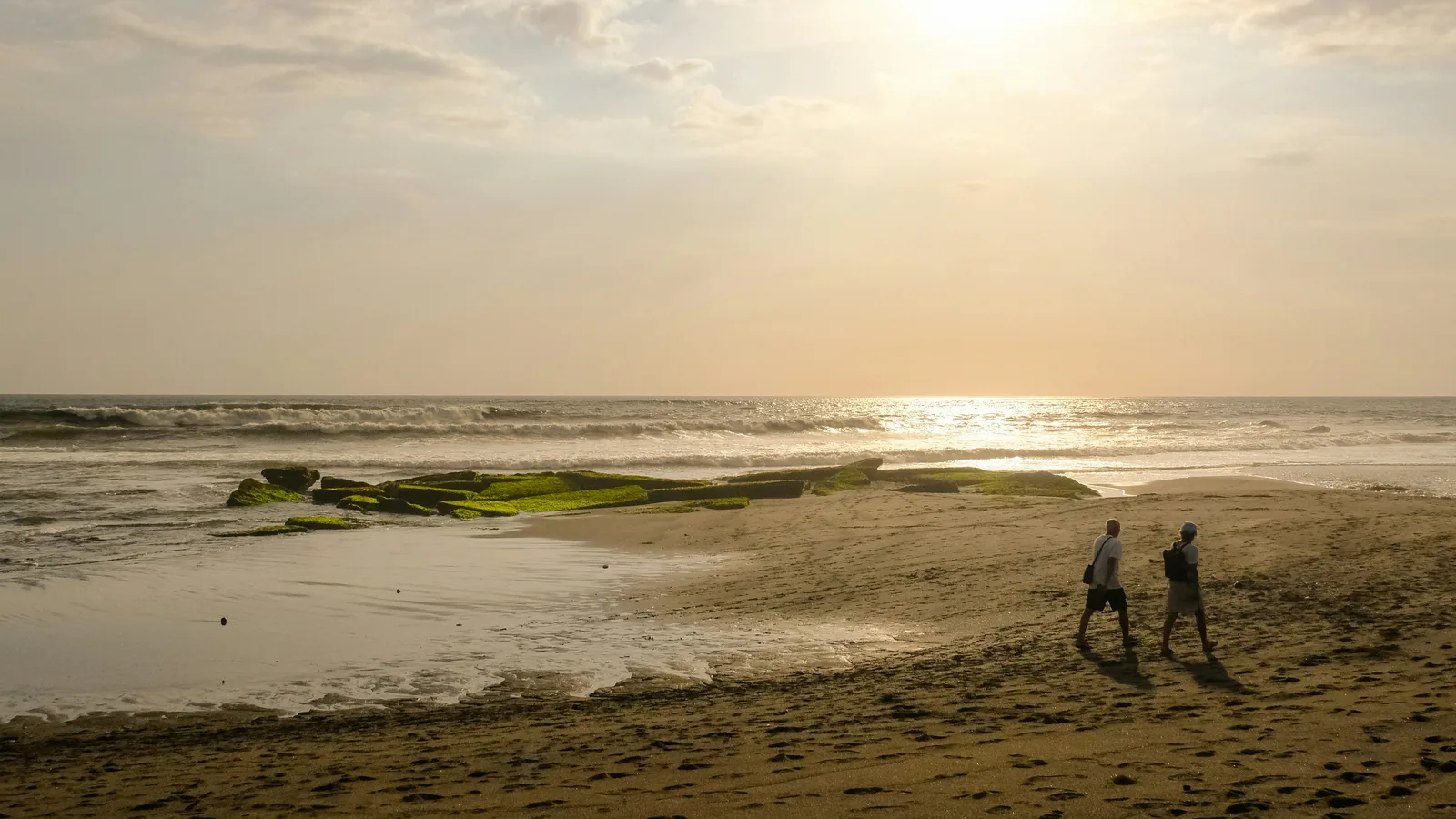
Photos on this page are placeholders. Replace them with school-provided images when available.
Similar schools





FAQ
Curriculum
International
Ages
3–12
Fees
Rp 60,000,000–Rp 150,000,000 /year
Type
School
Claim & upgrade this profile
School operator? You can claim this page to update fees, admissions notes, and photos. Verified and featured options are available and will be clearly labeled.