

Kupu Kupu Early Learning is a play-and-movement preschool (ages ~2–6) with lots of outdoor time on the west Bali side.
Parent perspectives
These anonymized parent perspectives are intended to help families prepare questions for a tour or admissions conversation.
We were new to Canggu, and Kupu Kupu Early Learning Bali felt welcoming from the first week. Our 3-year-old settled in quickly and started looking forward to mornings.
We liked a gentle play-based setting because it felt structured without being rigid. Our 4-year-old stayed engaged, and teacher feedback was clear and practical.
We appreciated the balance between learning and outdoor time. Our 5-year-old came home in a good mood, and the environment felt safe and cared for.
Quick notes
- Early years focus
- Play-based approach
- Family-friendly environment
Recommended guides
View all guidesHow to Choose a School in Bali
School Fees in Bali: How to Compare Total First‑Year Cost
Admissions in Bali: Timeline, Documents, and What Happens Next
In-depth profile
If you’ve ever tried to get a three‑year‑old to sit still and “focus,” you’ve already discovered the secret of early childhood: focus is not something you demand. It’s something you build—through movement, play, safety, and rhythm.
Kupu Kupu Early Learning leans into that reality.
Even the name fits. A kupu‑kupu is a butterfly—small, curious, always in motion. That’s early years in one word: motion.
The quick picture
Kupu Kupu is an early learning program for roughly ages 2–6, on the west side of Bali (often associated with the Beraban/Tabanan area). Their public messaging focuses on:
- child‑led learning,
- play and movement,
- outdoor time in a spacious garden environment,
- and a warm, family‑friendly early years vibe.
In practical terms: this is a place for the preschool years, when your child’s main job is not to memorize facts but to build the habits and confidence that make later learning possible.
Why movement matters (more than worksheets)
Young children regulate their emotions through their bodies. When they move, they calm down. When they climb, they build confidence. When they run, they release stress.
A preschool that respects this doesn’t treat movement as a break from learning. It treats movement as the path to learning.
So when Kupu Kupu emphasizes play and movement, the question is not “Will my child learn enough?” The question is: Will my child learn in the way their brain is designed to learn at this age?
What to look for in the environment
In early years, environment is curriculum.
When you visit (or even just scroll through photos and videos), pay attention to:
- Are children playing deeply, or just bouncing from activity to activity?
- Do adults guide play with intention, or simply supervise?
- Does the space invite calm exploration, or is it noisy and overstimulating?
A garden‑based preschool can be incredible if it’s structured well. Nature gives children endless “real” materials: water, sand, leaves, insects, textures, weather. That’s sensory learning at its best.
The “child-led” question
“Child‑led” is another phrase that can mean many things.
At its best, child‑led learning means:
- children have meaningful choices,
- adults guide gently,
- activities are open enough for creativity,
- but the day still has clear boundaries and routines.
At its worst, child‑led can mean “everyone does whatever they want,” which often leads to chaos and stressed teachers.
So ask:
- What does a normal day look like?
- How do they transition children between activities?
- How do they support children who struggle with sharing, patience, or big emotions?
A strong early learning centre will have clear, kind systems for social learning.
The Bali advantage (if it’s used well)
One reason families love raising young kids in Bali is that childhood here can be more outdoors and less rushed. But the environment only helps if the school uses it intentionally.
Ask Kupu Kupu about:
- how they manage heat and hydration,
- how they handle rainy season days,
- and how they keep outdoor play safe without turning it into constant “no, no, no.”
The goal isn’t to remove risk. The goal is to teach children how to navigate risk in a safe, age‑appropriate way.
Who Kupu Kupu tends to suit
Kupu Kupu can be a great match for:
- children who learn best through active play,
- families who want a warm, community feel,
- and parents who value emotional safety as much as academics.
It can also suit children who are shy or sensitive. In a calmer early years environment, sensitive children often blossom—especially when adults are trained to support social confidence gently.
Practical questions to ask (to avoid surprises)
Because early years is so routine‑based, ask about the practical details:
-
Hours and schedule What are the standard hours? Is there a half‑day option? What happens during holidays?
-
Meals and snacks Are snacks provided? Do children bring lunch? Any policies around allergies?
-
Toilet learning Do children need to be toilet trained? How do teachers support families who are in the middle of that stage?
-
Communication Do parents get photos and updates? How often? Is there a clear policy on how they share information?
-
Transitions What happens when children move up an age group? How do they prepare kids for “big school” later?
A final thought
Preschool is not about rushing a child into academics. Preschool is about giving a child a strong emotional and social foundation so that learning later feels safe, not scary.
Kupu Kupu Early Learning is positioned around that idea: the early years as a time for movement, play, and growing confidence—so your child becomes ready for whatever comes next.
Movement is learning at this age
For many preschoolers, movement isn’t a break from learning. It’s how learning happens.
If Kupu Kupu is truly play‑and‑movement led, you’ll see lots of:
- climbing and balancing
- sensory play
- imaginative play with props
- short, repeated routines (songs, stories, clean‑up)
Ask how teachers support children who are shy, new, or not yet confident with group play. Great early‑years teachers are experts at gentle entry points.
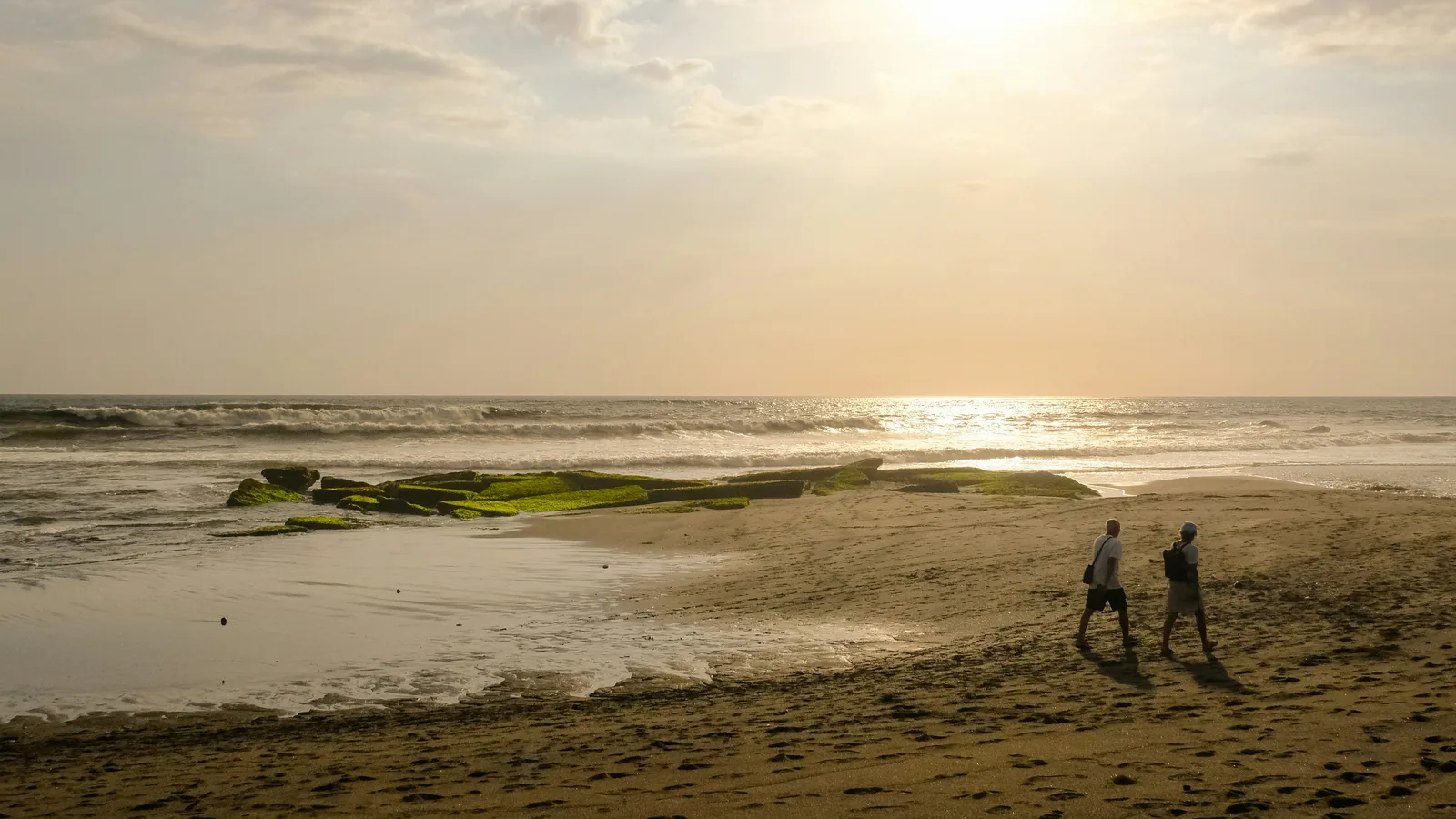
Photos on this page are placeholders. Replace them with school-provided images when available.
Similar schools


FAQ
Curriculum
Early Years, Play-Based
Ages
2–6
Fees
Rp 40,000,000–Rp 100,000,000 /year
Type
Preschool
Address
Beraban, Tabanan, Bali
Map link: Google Maps
Claim & upgrade this profile
School operator? You can claim this page to update fees, admissions notes, and photos. Verified and featured options are available and will be clearly labeled.