

Preschool in Sanur. Ages 0.5–6. Curriculum: Early Years, Play-Based.
Parent perspectives
These anonymized parent perspectives are intended to help families prepare questions for a tour or admissions conversation.
Rumah Kecil had a warm, community feel that helped us settle in. Our 3-year-old made friends quickly and came home feeling positive about school.
a play-based early years approach suited our child well — a good balance of challenge and support. Communication about progress was consistent and helpful.
The admin side was refreshingly clear — fees, schedules, and expectations were easy to understand. That kind of transparency mattered to us.
Quick notes
- Sanur location
- Small, home-like setting
- Early years routines
Recommended guides
View all guidesHow to Choose a School in Bali
School Fees in Bali: How to Compare Total First‑Year Cost
Admissions in Bali: Timeline, Documents, and What Happens Next
In-depth profile
“Rumah Kecil” literally points you in the right direction: a small house. And that is a helpful image for early childhood education, because the best early years programs often feel less like “school” and more like a well‑run home—warm, organized, and full of small rituals that make children feel safe.
Rumah Kecil sits in the early years, play‑based world. If you’ve heard “play‑based” a thousand times and still aren’t sure what it means, here’s the plain version: children learn best when they are engaged. Engagement looks like play. It looks like building, pretending, sorting, mixing, negotiating, and trying again. A play‑based school doesn’t avoid learning. It builds learning into what children naturally do.
In practice, the difference shows up in details. A worksheet asks a child to write a letter because an adult says so. A play‑based setup invites the child to write a letter because they’re making a menu for a pretend café. The skill is the same. The motivation is different. And motivation is half of education.
Rumah Kecil covers a very young age range, which means the school is not only teaching children—it’s teaching families how to separate, how to trust, and how to build a routine. For many parents, the first big milestone is simply this: your child walks in without looking back. That doesn’t happen because a school is strict. It happens because a school is consistent.
When you visit, pay attention to the room in “zones.” Is there a quiet corner? A messy corner? A movement corner? A space for books? A space for pretend play? A school that has thought about space has usually also thought about behavior, because children are heavily shaped by their environment. Give toddlers a crowded room and you’ll get conflict. Give them space and clear materials and you’ll get flow.
Also pay attention to how adults intervene. In early years, adults have to do two opposite jobs at once: keep children safe and let children struggle. A child who can’t put on their shoes needs help—but not too fast. The best teachers know when to wait. Waiting is not laziness. Waiting is a teaching technique.
Sanur is a gentle place for early years, and families often choose it because the rhythm of life can feel steadier than in high‑traffic areas. But even in Sanur, the commute matters. Ask about drop‑off timing and late policies. If you’re aiming for calm mornings, you want a school that supports calm mornings.
Here are the questions that help you understand whether Rumah Kecil fits your child:
- How do you handle naps and rest? For younger children, rest is the difference between a good day and a difficult day.
- What is your approach to toilet learning? A good answer is supportive, not pressured.
- How do you handle food? Meals and snacks are not just nutrition; they’re social learning.
- How do you talk to children about feelings? You want language that’s simple and respectful.
- How do you share progress with parents? The best updates include “what we noticed” and “what we’re practicing.”
One of the quiet strengths of a play‑based program is that it allows children to reveal themselves. In a rigid system, the loud child is “a problem.” In a flexible system, the loud child may be a leader who needs coaching. The shy child may be an observer who needs time. The goal isn’t to push everyone to the same personality. It’s to give every personality a path.
Fees in early childhood settings can vary widely depending on schedule, inclusions, and whether the program leans more toward childcare or more toward schooling. If you’re comparing, ask for a simple breakdown: enrollment, monthly/term fees, materials, uniforms, meals, and any “extras.” Don’t be shy about it. Clarity saves everyone time.
If you’re looking for a small, warm, play‑based start—and you want your child’s first experience of “school” to feel like confidence rather than pressure—Rumah Kecil is the kind of place that’s worth a thoughtful visit.
Play‑based also doesn’t mean “anything goes.” In the best programs, play is guided in small ways. Teachers introduce materials, model language, and gently stretch children toward new skills. You might see a teacher sit beside a child who is building blocks and say, “How tall can it go before it falls?” That’s science. Or a teacher might help two children negotiate a game: “You can be the shopkeeper first, then you switch.” That’s social learning.
If your child is closer to the top of the age range, ask how the school supports readiness for the next step. School readiness is not about doing worksheets early. It’s about independence: carrying a bag, using the toilet, following two‑step instructions, asking for help, and staying with a group for a short lesson. A good early years program prepares children for primary school without stealing the joy of preschool.
And if you’re new to Bali, ask what the school community is like. Early childhood is often where parents find friends, too. A warm parent community is not a “nice extra.” It’s one of the reasons families feel at home.
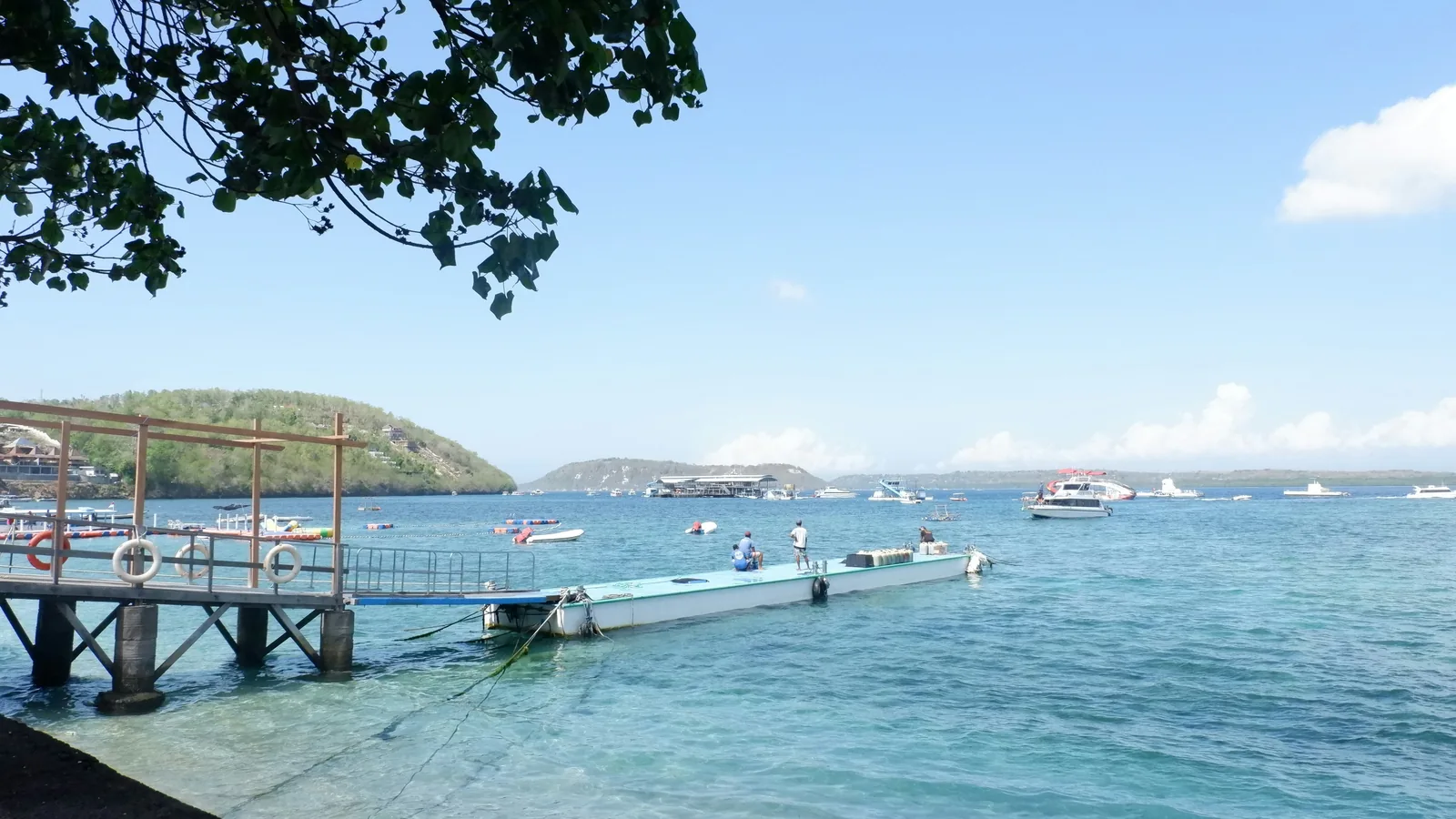
Photos on this page are placeholders. Replace them with school-provided images when available.
Similar schools


Areas families also consider
These areas appear often among similar schools. Use them as quick shortcuts while you’re shortlisting.
FAQ
Curriculum
Early Years, Play-Based
Ages
0.5–6
Fees
Rp 40,000,000–Rp 100,000,000 /year
Type
Preschool
Address
Jl. Tirta Akasa No. 60, Sanur, Denpasar, Bali, Indonesia.
Map link: Google Maps
Claim & upgrade this profile
School operator? You can claim this page to update fees, admissions notes, and photos. Verified and featured options are available and will be clearly labeled.