
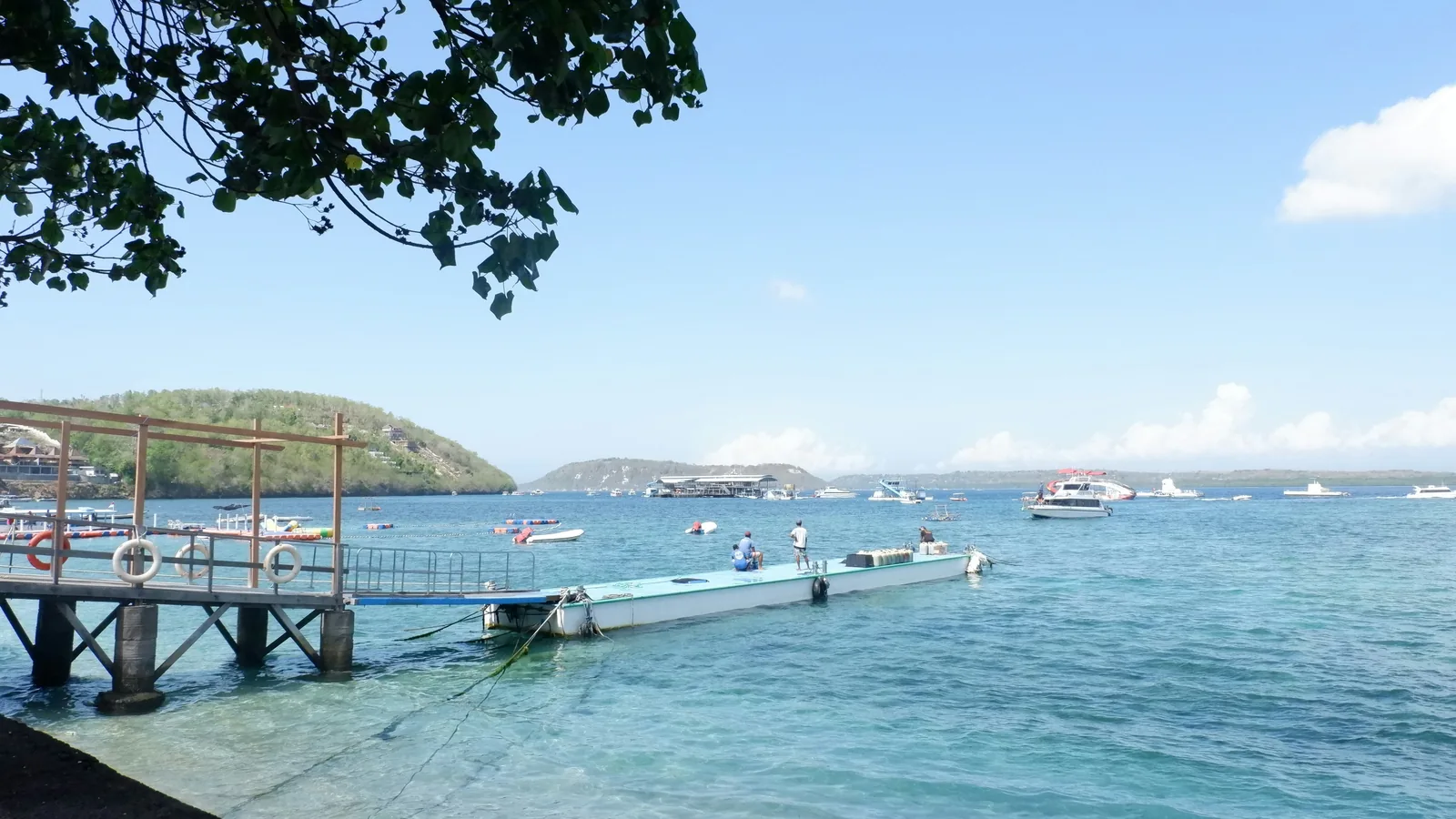

School in Sanur. Ages 2–15. Curriculum: International.
Parent perspectives
These anonymized parent perspectives are intended to help families prepare questions for a tour or admissions conversation.
What stood out early was the calm, friendly atmosphere at Sanur Independent School. For our 7-year-old, the first month was smoother than we expected.
The fit with the international community feel has been great for our child. Lessons felt purposeful, and we noticed more confidence in class discussions.
The campus setup and routines felt smooth. It helped our 15-year-old feel secure and know what to expect each day.
Quick notes
- Sanur location
- International-friendly (reported)
Recommended guides
View all guidesHow to Choose a School in Bali
School Fees in Bali: How to Compare Total First‑Year Cost
Admissions in Bali: Timeline, Documents, and What Happens Next
In-depth profile
Sanur Independent School sits in a sweet spot that many Bali families are quietly searching for: a school that feels international in outlook, but still human in scale. Not every family wants a giant campus with endless extras. Sometimes what you want is simpler: solid learning, steady routines, and a community where your child isn’t just a number.
“Independent” is an interesting word. It can mean governance, sure. But in education, it often points to something deeper: the belief that students should gradually learn how to think for themselves. That’s not a slogan. It’s a daily practice. It shows up when a teacher asks a question and waits for an answer. It shows up when a student is allowed to explain their reasoning. It shows up when a mistake is treated as part of the process, not a mark on someone’s identity.
With an age range that stretches from early childhood into the teen years, SIS has to be good at transitions. The needs of a four‑year‑old and a fourteen‑year‑old are wildly different, yet families like the continuity of one school community. If that matters to you, ask how the school handles “stage shifts.” What changes in expectations as children grow? How do they build responsibility? How do they keep older students challenged without turning school into a pressure cooker?
A practical way to evaluate any international‑leaning school is to look for balance in three areas:
-
Reading and writing. Do students read real books? Do they write often? Are they taught to form arguments, not just fill in blanks?
-
Math and thinking. Is math taught as memorization or as problem‑solving? A good program teaches both—facts and reasoning.
-
Character and community. How do they handle conflict? Do they teach respect in a way that’s clear but kind?
Sanur is also a place where families often value stability. It’s less about chasing the newest trend and more about building a reliable life. That’s why the basics matter: communication, safety, consistency. Ask how the school communicates when something changes. Ask how they handle sickness policies. Ask about supervision at break times. These are not glamorous questions, but they’re the questions that shape your real experience as a parent.
One thing that can make an international school feel “right” or “wrong” fast is language. Ask: What languages are used in class and on campus? If your child is learning English, how do they support that without shaming them? If your child already speaks English, how do they ensure the language stays rich—real vocabulary, real reading, real writing?
Because SIS covers middle years as well, ask about the “invisible” supports: study skills, organization, and executive function. Many students don’t struggle with intelligence; they struggle with planning. A good school teaches planning like it teaches math: explicitly. What does a good week look like? How do students track assignments? How do teachers help them recover when they fall behind?
You can also ask about student life beyond academics. Not because extras are the point, but because belonging matters. Clubs, sports, arts, small events—these create the social glue. In a place like Bali, where students may come from many countries and may move in and out, the school’s ability to build belonging is a real skill.
Fee ranges in Bali can look similar across schools until you look at what’s included. Ask for the full list: registration, annual tuition, materials, uniforms, trips, exam fees (if any), and anything else families usually forget. A transparent school won’t be offended. They’ll be grateful you’re asking early.
The best way to end a visit to SIS is with a simple question: “What kind of student thrives here?” A thoughtful school can answer that honestly. Some schools are great for independent learners. Some are great for students who need structure. Some are great for families who want community. When you hear the answer, you’ll know whether it matches your child.
Sanur Independent School is worth considering if you want a steady, international‑minded environment that still feels like a real community—where learning is serious, but childhood is still protected.
It’s also worth asking about the “middle” years—roughly ages nine to thirteen—because this is where many students start to change fast. They become more self‑aware. They worry about peers. They test limits. A good school doesn’t respond with fear. It responds with structure: clear rules, consistent consequences, and adults who stay calm.
If your child is approaching the teen years, ask what student support looks like. Is there a counselor? A homeroom structure? Mentoring? How do teachers notice a student who is struggling quietly? In international communities, students sometimes carry stress you don’t see on the surface: language pressure, identity questions, frequent moves. A school that sees the whole student is doing real work.
Finally, ask about how the school handles new arrivals. Bali schools often welcome students mid‑year. What does the first month look like? Do they pair students with buddies? Do teachers check in? The smoother the onboarding, the faster your child will feel like they belong.
Photos on this page are placeholders. Replace them with school-provided images when available.
Similar schools


Areas families also consider
These areas appear often among similar schools. Use them as quick shortcuts while you’re shortlisting.
FAQ
Curriculum
International
Ages
2–15
Fees
Rp 60,000,000–Rp 150,000,000 /year
Type
School
Claim & upgrade this profile
School operator? You can claim this page to update fees, admissions notes, and photos. Verified and featured options are available and will be clearly labeled.