

School in Canggu. Ages 4–12. Curriculum: Outdoor, Nature-Based.
Parent perspectives
These anonymized parent perspectives are intended to help families prepare questions for a tour or admissions conversation.
Sun School Bali had a warm, community feel that helped us settle in. Our 5-year-old made friends quickly and came home feeling positive about school.
We chose Sun School Bali for outdoor, nature-based learning. It’s reassuring to have a learning pathway that feels internationally portable if our plans change.
The admin side was refreshingly clear — fees, schedules, and expectations were easy to understand. That kind of transparency mattered to us.
Quick notes
- Outdoor learning focus (reported)
- Canggu area
- Alternative-style option
Recommended guides
View all guidesHow to Choose a School in Bali
School Fees in Bali: How to Compare Total First‑Year Cost
Admissions in Bali: Timeline, Documents, and What Happens Next
In-depth profile
Some children learn best when the world is quiet, predictable, and neatly arranged. Other children learn best when the world is… the world.
Mud on knees. Questions without answers. Bugs. Wind. Rain. Building something that falls down and building it again.
That second kind of child often feels at home in a nature-based school. And that’s where Sun School Bali sits.
Sun School is often described in terms that are easy to like: outdoor learning, nature, creativity, freedom. The real work is turning those words into a daily rhythm that helps children grow — not just roam.
The promise of nature-based learning
Nature-based learning isn’t only a vibe. It can change how children think.
When children learn outside, they often:
- move more (which helps attention)
- talk more naturally (which builds language)
- collaborate more (because the environment invites shared projects)
- take more ownership (because the world feels real)
For many kids, this is a reset. They stop fighting school and start participating.
But the key is structure. The best nature-based programs are not random. They use the outdoors as a classroom, not as an escape.
Who Sun School may suit
Sun School can be a strong fit for:
- Curious, active children who struggle with long periods of sitting.
- Families who value creativity and hands-on learning.
- Kids who need confidence and thrive when learning feels meaningful.
- Parents who want childhood to feel like childhood, not like an exam treadmill.
It can also work well for children who have had a hard time in more rigid environments. The outdoor setting can lower stress and help them re-engage.
The question to ask first
Before you fall in love with the idea, ask one honest question:
What is the academic plan?
Not because nature-based learning can’t be academic. It can. But you want to know how literacy and numeracy are developed. How progress is tracked. How the school supports children who need more support — and how it challenges those who are ready for more.
A great school can explain this clearly, without defensiveness.
What to ask on a tour
- Daily rhythm: What does a normal day look like? How much time is outdoors? How much time is focused learning?
- Safety and supervision: How do adults supervise outdoor spaces? What are the boundaries?
- Weather plan: What happens during heavy rain? Where do children go? How is learning continued?
- Learning documentation: How do teachers track progress? What reports do parents receive?
- Behavior and conflict: Outdoor environments are social. How does the school guide conflict resolution?
- Transition pathways: If your child later moves into a Cambridge/IB/British system, how does the school support that transition?
Then ask the practical question:
What does “success” look like here?
Schools that know what they’re doing can answer this in real terms.
What to notice when you visit
Nature-based schools can look beautiful and still be chaotic. You’re not looking for perfection. You’re looking for intention.
Watch for:
- children engaged in real activities, not only “free play”
- adults who are present and attentive
- clear routines (even in a flexible environment)
- children who feel safe enough to try, fail, and try again
Also listen. Do teachers ask good questions? Do they guide children toward deeper thinking? Or do they mostly supervise?
A practical reality: not every day is magical
This is Bali. Some days are hot. Some days are rainy. Some days your child is tired. Some days your child is in a mood.
A good school has a plan for the unglamorous days. Ask what happens when a child refuses to participate. Ask how they handle low-energy days. Ask how they support children who need more quiet time.
These questions don’t ruin the dream. They protect it.
Fees and “what you’re paying for”
In nature-based schools, fees often cover a lot of materials: tools, projects, creative resources, outdoor equipment. But you should still ask what is included:
- snacks and meals
- materials
- excursions
- uniforms (if any)
- after-school options
Clarity helps.
Bottom line
Sun School Bali can be a wonderful fit for families who want learning to feel alive — not boxed. It’s for children who grow through movement, nature, and meaningful projects.
The best way to choose it is not by reading descriptions. It’s by visiting and watching the daily rhythm. Does it feel purposeful? Does it feel calm enough to learn? Does your child look like they could belong?
When the answer is yes, you don’t need a perfect brochure. You need a good pair of shoes, a water bottle, and a school that understands children.
A note for parents new to Bali
Many families arrive expecting Bali to feel like a permanent holiday. Then reality arrives: paperwork, settling in, new routines, and the emotional load of a move.
A nature-based school can help — if it gives your child a sense of grounded routine and connection to place. But it can also feel too loose if your child is craving structure.
So after your tour, ask yourself: Does this school add stability, or does it add more change?
Sometimes the “best” school is the one that balances your family, not the one with the most inspiring words.
What happens as children grow older?
Sun School’s age range is focused on the primary years. If your child is near the upper end, ask about the transition plan. Where do students usually go next? Do families move into larger international schools, or into more academic Cambridge/IB pathways? The best schools have relationships and experience with these transitions.
Planning ahead doesn’t make you less adventurous. It makes you calm.
If possible, visit when students are in the middle of a project. That’s when you’ll see the real learning — not just the scenery.
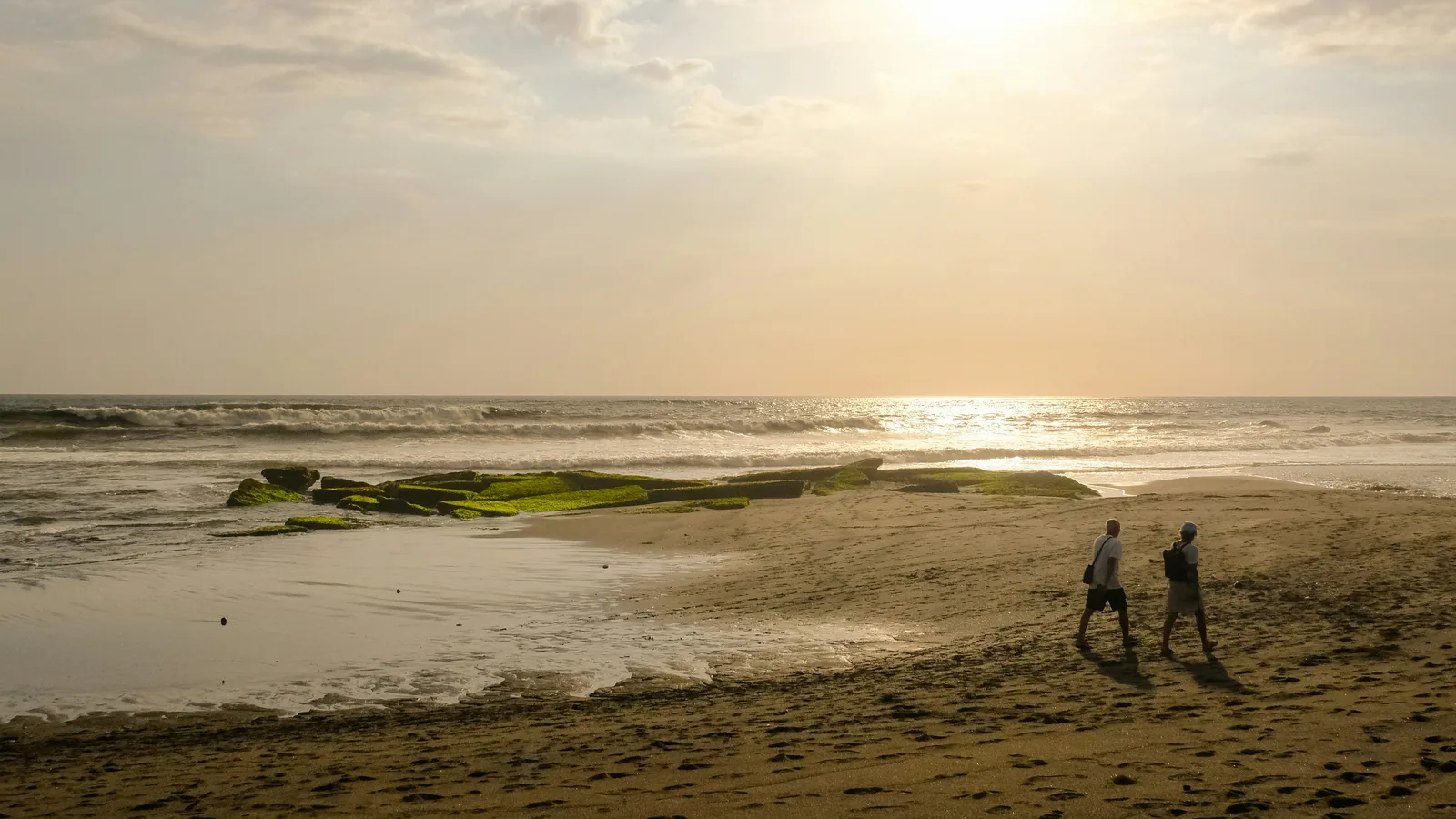
Photos on this page are placeholders. Replace them with school-provided images when available.
Similar schools




Areas families also consider
These areas appear often among similar schools. Use them as quick shortcuts while you’re shortlisting.
FAQ
Curriculum
Outdoor, Nature-Based
Ages
4–12
Fees
Rp 60,000,000–Rp 150,000,000 /year
Type
School
Claim & upgrade this profile
School operator? You can claim this page to update fees, admissions notes, and photos. Verified and featured options are available and will be clearly labeled.