
School in Ubud. Ages 3–6. Curriculum: Outdoor, Play-Based, Nature-Based.
Parent perspectives
These anonymized parent perspectives are intended to help families prepare questions for a tour or admissions conversation.
We were new to Ubud, and Harmony School felt welcoming from the first week. Our 3-year-old settled in quickly and started looking forward to mornings.
We liked outdoor, nature-based learning because it felt structured without being rigid. Our 4-year-old stayed engaged, and teacher feedback was clear and practical.
The campus setup and routines felt smooth. It helped our 5-year-old feel secure and know what to expect each day.
Quick notes
- Farm school setting
- Outdoor and play-based routines
- Small community (ages 3–6)
Recommended guides
View all guidesHow to Choose a School in Bali
School Fees in Bali: How to Compare Total First‑Year Cost
Admissions in Bali: Timeline, Documents, and What Happens Next
In-depth profile
- The quick picture
- Why farm settings work so well for young children
- What to look for on a tour
- Who this can fit well
- The practical questions
- Fees and practicalities
- Bottom line
- The hidden curriculum of a farm
- How to tell if it’s a learning environment (not just a play space)
- The teacher question that matters
- If this is on your shortlist…
- The community question
- A tiny detail that predicts a lot
Harmony School sounds like a name you’d put on a brochure. The interesting question is whether the harmony is real.
In Bali, “farm school” settings can be more than charming. They can be genuinely educational. A farm naturally teaches cause and effect, responsibility, patience, and the simple truth that life doesn’t respond to rushing.
Harmony School is described as a nature‑based playgroup and kindergarten on a family farm in the Ubud area, with a strong outdoor routine. For early‑years families who want a grounded, earthy start, that can be a powerful combination.
The quick picture
Harmony School is positioned as:
- Outdoor and play‑based
- Early years focused (playgroup / kindergarten ages)
- Set in a farm environment
The promise is simple: childhood that is active, sensory, and connected to real life.
Why farm settings work so well for young children
Young children learn through their bodies first. They learn with their hands, their feet, their mouths, their senses. A farm gives them constant “real” material:
- textures (soil, leaves, water)
- movement (walking, climbing, carrying)
- responsibility (tidying, feeding, watering)
- observation (bugs, plants, weather)
In a well‑run farm program, children aren’t just entertained by nature—they learn to work with it.
What to look for on a tour
Because farm environments can look informal, structure matters even more. Ask:
- What are the daily routines (arrival, circle time, snack, outdoor time, rest)?
- How do adults manage safety boundaries (water, tools, animals)?
- How do they handle big feelings and conflict?
- What does “learning” look like here beyond free play?
Also look at the emotional environment. Are adults calm? Do they redirect gently? Do they model respect?
Harmony isn’t “no conflict.” Harmony is what happens after conflict—how adults coach children back into relationship.
Who this can fit well
Harmony School can be a great match for:
- Children who need outdoor time to feel regulated
- Kids who are happiest when they can move and explore
- Families who value gentle early childhood over early academics
- Children who feel overwhelmed in very busy, noisy indoor settings
If your child is highly sensitive, notice noise levels, group size, and how adults manage transitions (the hardest moments of any preschool day).
The practical questions
Early years decisions are mostly about the daily rhythm:
- What are the start/end times?
- Is there nap time or quiet time?
- What does food look like (bring your own, provided, allergies)?
- How is parent communication handled?
In Bali, WhatsApp is common. Ask what kind of updates you’ll receive and how often.
Fees and practicalities
The fee range shown on this page is an estimate unless Harmony School publishes a current fee table. For early‑years programs, also ask about extra costs: materials, uniforms, trips, events.
Bottom line
Harmony School is worth touring if you want your child’s early education to feel like real life: hands in the dirt, eyes on the sky, and adults who take childhood seriously. If the routines are clear and the emotional tone is calm, a farm‑based program can be one of the healthiest starts a young child can get.
The hidden curriculum of a farm
Here’s the strange thing about early childhood: the big lessons are rarely taught directly.
A farm teaches “slow.” It teaches “wait.” It teaches “care.” It teaches “you can’t control everything.” Those are adult skills too, which is why farm schools tend to calm parents as much as children.
If Harmony School is truly farm‑based (not just “farm themed”), you’ll see it in the daily chores: tidying tools, putting things back, checking on plants, feeding animals. Those tasks look small. They’re not. They build self‑respect.
How to tell if it’s a learning environment (not just a play space)
Play is essential. But learning needs adults who can turn play into growth.
Ask to see:
- examples of children’s “work” (photos of projects, simple journals, art, storytelling)
- how teachers document development (not just cute moments)
- how they support language development (songs, stories, conversation routines)
You’re not looking for worksheets. You’re looking for intention.
The teacher question that matters
In early years, teacher training shows up most clearly in transitions.
Watch the moments that are usually messy:
- arriving
- washing hands
- snack
- clean‑up
- leaving
If those moments are smooth, the program is well built. If they’re chaotic every day, children spend their energy surviving instead of learning.
If this is on your shortlist…
Bring your child for a trial if possible. A good early‑years fit is visible fast: does your child relax, explore, and come back to you with a story? That’s the beginning of trust.
The community question
Small early-years programs often rely on community, which can be wonderful - if it's intentional.
Ask:
- How are new families welcomed?
- Are there parent events, workshops, or shared celebrations?
- How do teachers communicate boundaries with kindness?
A strong community reduces stress. A weak community adds stress.
A tiny detail that predicts a lot
Watch clean-up time.
If clean-up is cooperative and calm, the classroom culture is solid. If clean-up is chaos, it usually means children don't have clear routines yet.
It sounds minor. It isn't. Routines are how young children learn self-management.
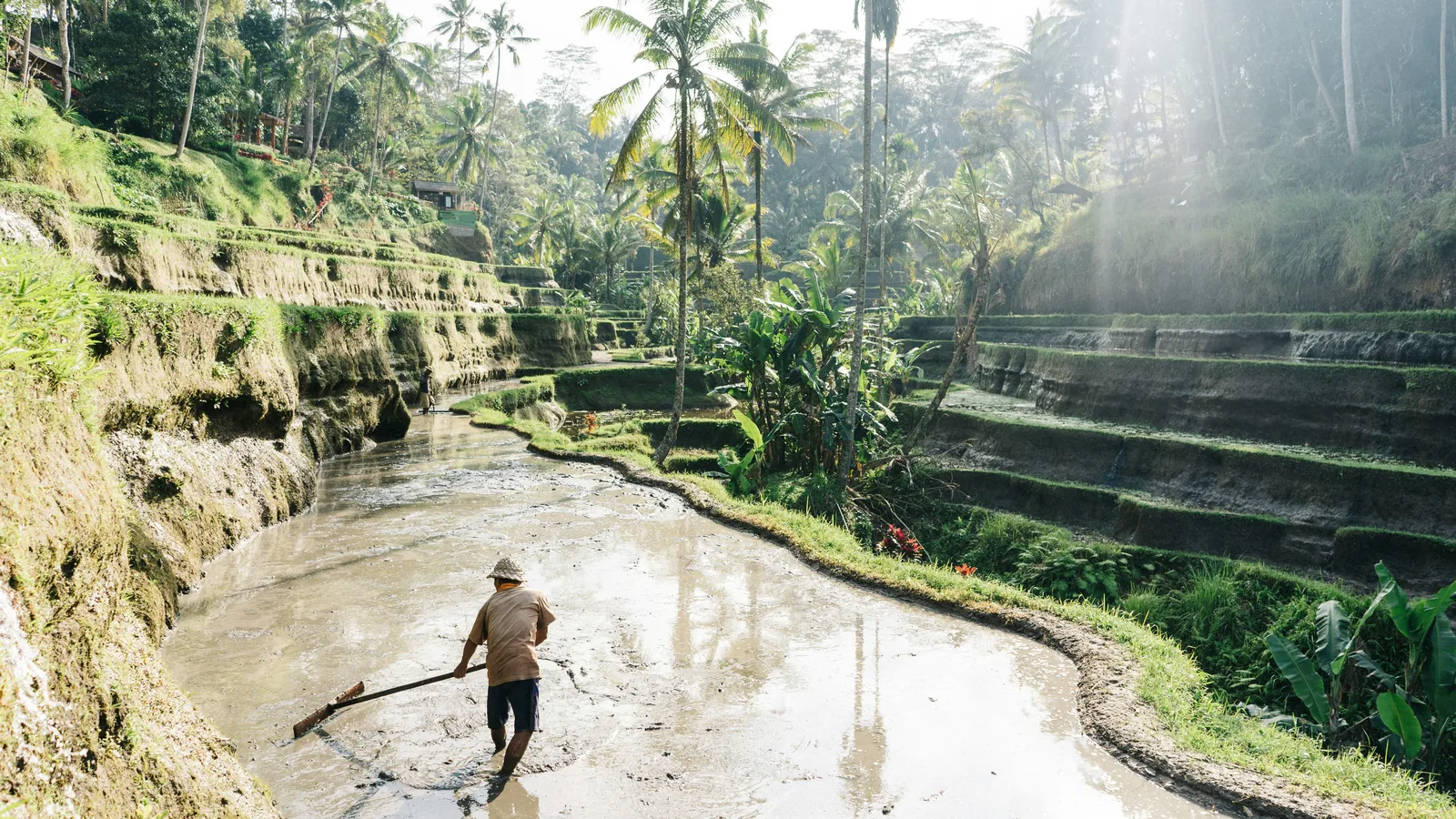
Photos on this page are placeholders. Replace them with school-provided images when available.
Similar schools





FAQ
Curriculum
Outdoor, Play-Based, Nature-Based
Ages
3–6
Fees
Rp 40,000,000–Rp 100,000,000 /year
Type
School
Address
Jl. Pura Bukit, Br. Batanancak, Mas, Ubud, Gianyar, Bali (confirm before visiting).
Map link: Google Maps
Claim & upgrade this profile
School operator? You can claim this page to update fees, admissions notes, and photos. Verified and featured options are available and will be clearly labeled.