

School in Amed. Ages 2–16. Curriculum: British.
Parent perspectives
These anonymized parent perspectives are intended to help families prepare questions for a tour or admissions conversation.
We were new to Amed, and Amed Honeycomb School felt welcoming from the first week. Our 7-year-old settled in quickly and started looking forward to mornings.
the UK-style pathway suited our child well — a good balance of challenge and support. Communication about progress was consistent and helpful.
Quick notes
- Based in Amed (North-East Bali).
- English-language school; listing mentions British curriculum.
- Ask the school for the latest fee schedule for your child’s age.
Recommended guides
View all guidesHow to Choose a School in Bali
School Fees in Bali: How to Compare Total First‑Year Cost
Admissions in Bali: Timeline, Documents, and What Happens Next
In-depth profile
- The hidden value of a quieter place
- British curriculum: understand the “Year groups”
- Fees: keep expectations realistic
- Who Amed Honeycomb tends to suit
- The thing you must ask: “What does secondary look like?”
- The learning culture question
- A simple tour method
- East Bali life and education
- Final thought
- Amed mornings have a different tempo
If you’ve only seen Bali from Canggu cafés and Ubud yoga studios, Amed can feel like a different island.
It’s quieter. The road hugs the coast. The sea is close enough to be part of daily life, not a “weekend plan.” Mornings can be startlingly calm.
For a certain kind of family, that calm is exactly the point.
Amed Honeycomb School sits in East Bali, serving children from early years into the older years with a British-style curriculum approach. And whether you are a long-term Amed family or an international family choosing East Bali intentionally, the school represents something rare in Bali’s education scene: a more grounded option away from the main hubs.
The hidden value of a quieter place
In busy areas of Bali, school choice is often shaped by what’s popular. In Amed, school choice is shaped by what’s practical.
When the surrounding environment is quieter:
- children often have more space to breathe
- routines can be less rushed
- social life can feel more stable (fewer rotating short-stay families)
- community relationships can run deeper
This doesn’t automatically make a school “better.” But for some children, especially those sensitive to overstimulation, it can be a genuine advantage.
British curriculum: understand the “Year groups”
Amed Honeycomb uses a British-style system, which means you will hear “Year groups” more than “Grades.”
That can be confusing for families coming from:
- American systems (Grade 1, Grade 2)
- Australian systems (Year 1, Year 2 but with different cutoffs)
- IB schools (PYP/MYP year levels)
- Homeschooling backgrounds
So ask the school directly how they place students:
- Is placement based on age only, or also readiness?
- How do they support children who are ahead/behind for their age?
- How do they handle transfers mid-year?
A school that is used to international families will have clear answers here.
Fees: keep expectations realistic
The fee range on our site is Rp 50,000,000–Rp 100,000,000 /year (annual, IDR estimate). In East Bali, costs can sometimes be lower than the big-name international schools — but fee structures still vary by age, programme, and extra services.
Ask for:
- First-year total costs (including registration and materials)
- Recurring yearly costs
- What is included in the fee
- Any exam fees for older students
- Transport options (if relevant)
If you live outside walking distance, transport is a real part of school life.
Who Amed Honeycomb tends to suit
Amed Honeycomb can be a strong fit for:
- Families living in Amed, Karangasem, or East Bali
- Parents who want a British-style curriculum path in a quieter setting
- Children who thrive with routine and clear expectations
- Families who want a community school feel, not a “big campus” vibe
It may be less ideal for:
- Families who need a full set of international-school electives and facilities
- Students seeking specific external pathways soon (IGCSE, IB) without confirming what’s currently offered
- Families who live far away and would face a long commute on coastal roads
The thing you must ask: “What does secondary look like?”
Because Amed is not a huge education hub, it’s important to plan ahead.
If your child is young, ask:
- How far does the school go in age/year levels?
- What do families typically do after that?
- Is there a transition plan to another school, online programme, or exam pathway?
A good school won’t pretend it can solve every future problem. But it will help you think clearly.
The learning culture question
In smaller schools, the culture can be a superpower.
Teachers may know children deeply. Older students may help younger ones. Parents may be more visible. Community projects can be easier to organise.
But small can also mean limited staffing. So ask:
- How many teachers are there per programme?
- What specialist support exists (learning support, counselling)?
- How do they handle learning differences?
You’re not looking for perfection. You’re looking for honesty and a plan.
A simple tour method
When you visit Amed Honeycomb (or any smaller school), ask to see:
- a reading lesson
- a maths activity
- a writing sample
Then ask: “How do you track progress?”
In small schools, progress tracking can sometimes be informal. That’s not always bad — but you want to know how the school ensures steady growth, not just happy days.
East Bali life and education
Choosing a school is also choosing a lifestyle.
East Bali can be incredible for children: nature, ocean, space, community. But it’s not “convenient” in the way South Bali is convenient. That’s the trade.
If your family is choosing Amed, you’re probably already okay with that trade. The question becomes whether the school matches the same values: calm routines, real learning, and a grounded community.
Final thought
Amed Honeycomb School won’t be the right choice for every Bali family — and it doesn’t need to be.
For families who are building life in East Bali, or who want to step away from the busiest parts of the island, it can be a meaningful option: British-style learning, in a calmer place, with a community feel you rarely find in the big hubs.
If the idea of a quieter school run sounds like relief, Amed Honeycomb is worth exploring.
Amed mornings have a different tempo
There’s a particular feeling in Amed before the day gets busy: the light is clean, the sea is flat, and you can hear the village waking up. If your child walks into school from that kind of morning — not from an hour in traffic — they arrive differently.
That difference shows up in attention span, mood, and energy. It’s not a small thing.
So when you’re weighing Amed Honeycomb, don’t only compare curriculum labels. Compare the daily life your child will actually live. For some families, that daily life is the best “school feature” of all.
If you tour the school, take your time. The right fit usually feels quiet, not dramatic.
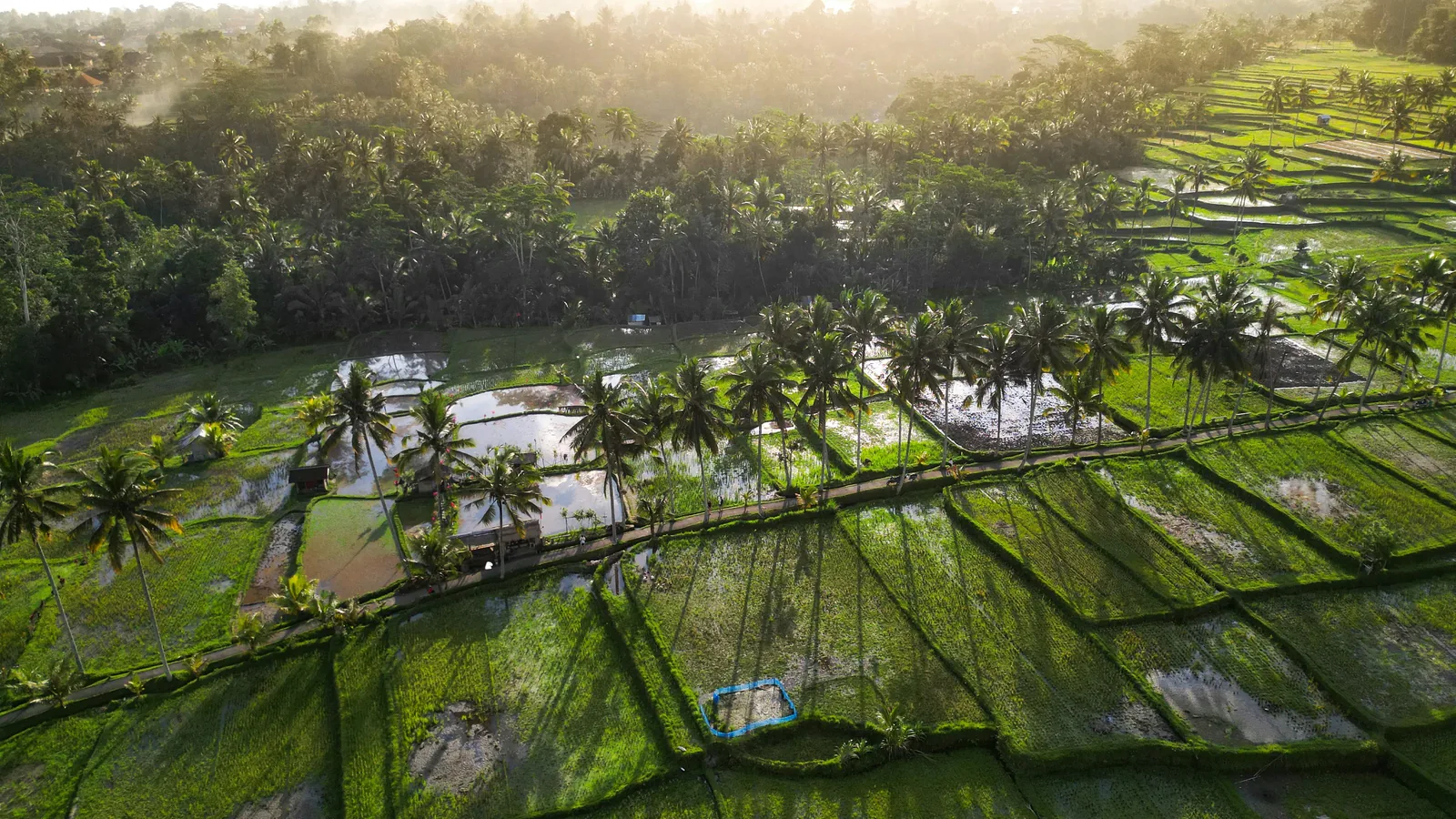
Photos on this page are placeholders. Replace them with school-provided images when available.
Similar schools





Areas families also consider
These areas appear often among similar schools. Use them as quick shortcuts while you’re shortlisting.
FAQ
Curriculum
British
Ages
2–16
Fees
Rp 50,000,000–Rp 100,000,000 /year
Type
School
Address
Jl. Amed Celuk, Purwakerti, Kec. Abang, Karangasem Regency, Bali 80852
Map link: Google Maps
Claim & upgrade this profile
School operator? You can claim this page to update fees, admissions notes, and photos. Verified and featured options are available and will be clearly labeled.