

School in Ubud. Ages 2–12. Curriculum: Outdoor, Sustainability.
Parent perspectives
These anonymized parent perspectives are intended to help families prepare questions for a tour or admissions conversation.
We were new to Ubud, and Alam Kidz School felt welcoming from the first week. Our 5-year-old settled in quickly and started looking forward to mornings.
the sustainability values suited our child well — a good balance of challenge and support. Communication about progress was consistent and helpful.
Being based in Ubud made the routine manageable, and the school’s communication was straightforward. The day-to-day felt well organised.
Quick notes
- Website available
Recommended guides
View all guidesHow to Choose a School in Bali
School Fees in Bali: How to Compare Total First‑Year Cost
Admissions in Bali: Timeline, Documents, and What Happens Next
In-depth profile
- The quick picture
- What to look for in a nature‑forward school
- Who this can fit well
- Questions to ask (so you don’t guess later)
- Fees and practicalities
- Bottom line
- The moment you’ll know if it works
- A simple tour script (steal this)
- The Bali detail people forget
- Sustainability: ask for the boring details
- How to compare it to another school in 10 minutes
“Alam” is an Indonesian word that points to something simple and big at the same time: nature.
If a school chooses that word for its identity, it’s usually signaling a belief that children should be educated with the natural world, not separate from it. Alam Kidz School is positioned as a nature‑forward program in the Ubud area, with an emphasis on outdoor learning and sustainability themes.
In Bali—where nature is both beautiful and powerful—this approach can make education feel less like an indoor performance and more like real life.
The quick picture
Alam Kidz is presented as an outdoor‑leaning school for younger ages, with a nature/sustainability flavour. The details vary by program, so your tour matters. What you’re looking for is whether the environment is truly set up for learning, not just for outdoor play.
Great outdoor schools are not “free time all day.” They’re environments where adults know how to turn the outdoors into curriculum.
What to look for in a nature‑forward school
Outdoor learning works best when it includes:
- Routine (children feel safe when days have predictable rhythms)
- Skills (literacy/numeracy don’t disappear; they’re woven in)
- Responsibility (children care for a place, not just use it)
- Reflection (children talk and think about what they notice)
On a tour, ask to see examples of children’s work: drawings, writing, photos of projects, simple data tracking (plant growth, weather observations, measurement). These are signs that the outdoors is being used intentionally.
Who this can fit well
Alam Kidz can suit:
- Children who love movement and exploration
- Kids who regulate through outdoor time
- Families who value gentle, hands‑on learning
- Children who struggle in very rigid or noisy indoor settings
If your child thrives on academic structure, ask how the school supports reading, writing, and math progression. Outdoor learning is wonderful when it’s balanced with clear skill building.
Questions to ask (so you don’t guess later)
Because program details can vary, ask for specifics:
- What are the daily start/end times?
- What is the typical group size and age mix?
- How many adults are present?
- What is the curriculum approach (project‑based, play‑based, blended)?
- How do you track learning progress across the year?
Then ask the practical Bali questions:
- What happens on heavy rain days?
- What should children bring daily (spare clothes, shoes, hats)?
- How do you handle food, allergies, and snacks?
These are the questions that shape your everyday life.
Fees and practicalities
The fee range shown on this page is an estimate unless the school publishes a current fee table. Ask what’s included and what’s separate (materials, trips, uniforms, food).
Bottom line
Alam Kidz School is worth visiting if you want your child’s education to feel close to the living world: soil, weather, plants, responsibility, play, and practical skills. The best way to judge it is to watch the adults. Outdoor learning succeeds when adults are calm, clear, and intentionally guiding curiosity into real learning.
The moment you’ll know if it works
Most parents walk through a campus and try to “evaluate” it like a spreadsheet: curriculum, fees, ratios, facilities. Those things matter. But with a nature‑forward early school, the real test is simpler.
Watch one adult with one child for five minutes.
Does the adult notice? Do they kneel down, listen, ask a real question, and then guide the child back into purposeful activity? Or do they just supervise?
Outdoor learning succeeds when adults are calm, present, and intentional. Otherwise it becomes “outside time” with nicer scenery.
A simple tour script (steal this)
If you want to compare Alam Kidz to other Ubud options quickly, use the same three questions everywhere:
- What skill are you building this month? (reading readiness, numbers, fine motor, social skills)
- What project are children working on right now? (something you can see, touch, and talk about)
- What does a hard day look like here? (meltdowns, separation anxiety, conflict)
Good schools answer those without defensiveness. Great schools answer them with examples.
The Bali detail people forget
In Bali, the outdoors is not just “fresh air.” It’s also heat, rain, mosquitoes, muddy shoes, and wet bags in the car. Ask how the school makes that practical:
- where children store belongings
- how often they change clothes
- how they keep drinking water easy
- how they protect skin (hats, sunscreen routines)
Small systems like these tell you a lot. They show whether the school has been designed for real children, on real days, in real Bali weather.
Sustainability: ask for the boring details
"Sustainability" can mean almost anything. The easiest way to make it real is to ask about the boring systems.
- Where does food waste go?
- Do children see compost, or is it hidden?
- What do kids actually care for (plants, animals, a garden bed)?
- How is plastic handled on campus?
If the answers are specific, the culture is real. If the answers are mostly slogans, it probably isn't built into daily practice yet.
How to compare it to another school in 10 minutes
If you're touring multiple nature-based options, use the same quick comparison every time:
- Ask to see the bathroom (seriously). Hygiene routines tell you about systems.
- Ask to see the children's work (not just art on the wall - work in progress).
- Ask about the hardest part of the day (arrival, transitions, conflict).
Schools that are honest about challenges tend to be the ones you can trust.
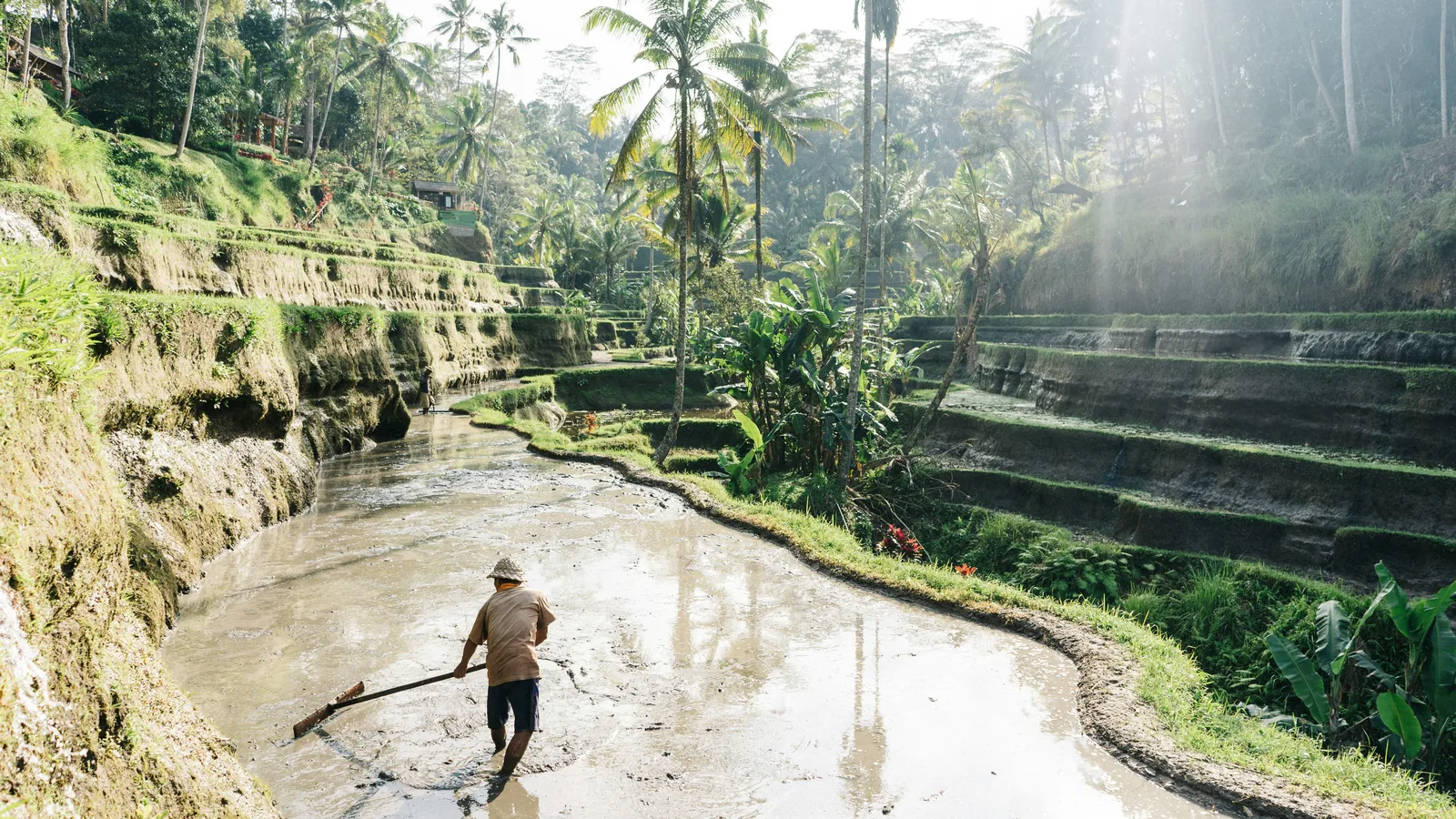
Photos on this page are placeholders. Replace them with school-provided images when available.
Similar schools



FAQ
Curriculum
Outdoor, Sustainability
Ages
2–12
Fees
Rp 85,000,000–Rp 135,000,000 /year
Type
School
Claim & upgrade this profile
School operator? You can claim this page to update fees, admissions notes, and photos. Verified and featured options are available and will be clearly labeled.