
School in Ubud. Ages 12–18. Curriculum: International.
Parent perspectives
These anonymized parent perspectives are intended to help families prepare questions for a tour or admissions conversation.
Spark Bali had a warm, community feel that helped us settle in. Our 12-year-old made friends quickly and came home feeling positive about school.
The fit with the international community feel has been great for our child. Lessons felt purposeful, and we noticed more confidence in class discussions.
We appreciated the balance between learning and outdoor time. Our 15-year-old came home in a good mood, and the environment felt safe and cared for.
Quick notes
- Small school, community feel
- Ubud location
Recommended guides
View all guidesHow to Choose a School in Bali
School Fees in Bali: How to Compare Total First‑Year Cost
Admissions in Bali: Timeline, Documents, and What Happens Next
In-depth profile
- The quick picture
- What makes secondary education hard in Bali
- Academics: clarity matters even more for teens
- What to look for in the classroom
- Who this can fit well
- Fees and practicalities
- Bottom line
- Teen programs succeed when they feel like real life
- A small, useful question
- The social piece
- The part teenagers won't tell you (unless you ask)
- What to clarify before you commit
- A final thought
Teenagers don’t need more pressure. They need more meaning.
That sounds soft until you remember what adolescence actually is: a full‑time job of becoming a person. Hormones, friendships, identity, confidence, anxiety, ambition—plus schoolwork layered on top.
Spark Bali is positioned as a secondary‑age program in the Ubud area. If you’re raising a teen in Bali—or arriving with a teen who has to rebuild their social world from scratch—this kind of smaller program can be worth a close look.
The quick picture
Spark is described as an international‑style school for roughly middle‑to‑high‑school ages. The word “spark” hints at the school’s promise: not just to keep teenagers busy, but to keep them alive to learning.
If you’ve watched a teen slowly switch off under constant worksheets, you know why that matters. Motivation is not a personality trait. It’s a relationship between a student and their environment.
What makes secondary education hard in Bali
In big cities, a teen can get lost inside the system and still be carried forward by routine. In Bali, families often live in smaller bubbles. A teen’s social world can be narrow, and that amplifies everything: a friendship breakup feels bigger, a bad day feels heavier, a lack of challenge feels more personal.
A strong secondary program doesn’t just deliver academics. It offers a stable rhythm, real mentorship, and the sense that adults are paying attention.
When you visit Spark, ask how they do mentorship:
- Does each student have an advisor or mentor?
- How often do adults meet one‑on‑one with students?
- How do they support mental health and emotional regulation?
Academics: clarity matters even more for teens
For secondary students, “international style” can mean many things. Your job as a parent is to translate the vibe into an actual pathway.
Ask:
- What subjects are offered each year?
- Is there an exam pathway (IGCSE, other) or a portfolio pathway?
- If your child may return to a national system later, how is that transition handled?
- How do they support students who are behind (or far ahead)?
A strong school can answer those questions without hiding behind jargon.
What to look for in the classroom
For teens, the biggest danger is not difficulty. It’s boredom.
So look for:
- Real discussion (not just teacher talk).
- Work that has an audience (presentations, showcases, community projects).
- Opportunities for leadership (not just “student council,” but real responsibility).
- Adults who respect teenagers without becoming their friends.
The best teen programs are serious without being stiff. They expect growth without humiliation.
Who this can fit well
Spark can suit families who want:
- A smaller, community‑style environment for teens.
- Ubud proximity, where the lifestyle and outdoor culture supports wellbeing.
- A program that balances academics with personal development.
It can be especially helpful for teens who are capable but disengaged, or teens who have moved countries and need time to rebuild confidence.
Fees and practicalities
The fee range shown on this page is an estimate unless Spark publishes a current fee table. For secondary programs, ask specifically about what’s included:
- Exams or exam registration fees
- Subject choices and any extra tutoring
- Sports / clubs / after‑school options
- Transport possibilities (if any)
Also ask about class sizes. For teens, class size can be the difference between being known and being managed.
Bottom line
Spark Bali is the kind of place to evaluate with your teen, not just for your teen. Bring them to a tour. Let them ask questions. Watch how adults respond. In secondary education, the spark is not a slogan—it’s the moment a teenager feels taken seriously.
Teen programs succeed when they feel like real life
A lot of “alternative” secondary programs sound inspiring. The strongest ones also feel practical.
If Spark is your shortlist, ask how students practice adult skills:
- presenting ideas
- meeting deadlines
- collaborating through disagreement
- reflecting on feedback without collapsing
These are the skills teens need whether they go to university, start a business, or travel the world.
A small, useful question
Ask: “What does a normal week look like?”
Not the brochure week. The normal week.
A clear answer—subjects, project time, mentoring time, movement—usually signals a program that can hold teenagers well.
The social piece
For many teens in Bali, the biggest challenge is not academics. It’s belonging.
Ask what the school does to build community:
- clubs
- sports
- shared projects
- peer mentoring
A good teen program is a community, not just a timetable.
The part teenagers won't tell you (unless you ask)
Teens rarely say, "I need structure." They say, "This is boring," or "This is pointless," or "The teacher doesn't care." Underneath that is usually one of two things: they're not challenged, or they don't feel seen.
So when you visit Spark, ask your teen after the tour:
- Could you imagine being here on a bad day?
- Did anyone talk to you like a real person?
- What would you be excited to work on?
Those answers matter more than the brochure.
What to clarify before you commit
If Spark is a smaller secondary option (as many Ubud programs are), clarify the pathway pieces:
- How are grades and transcripts handled?
- What happens if a student joins mid-term?
- What support exists for exam preparation, if exams are part of the plan?
- Are there options for students who are behind and for students who are ahead?
A good teen program can hold difference. A great one uses difference as the classroom: students learn to collaborate with people who aren't exactly like them.
A final thought
If you're choosing secondary in Bali, you're choosing more than a school. You're choosing a daily environment while your child becomes an adult. Pick the place where the standards are clear and the relationships are kind.
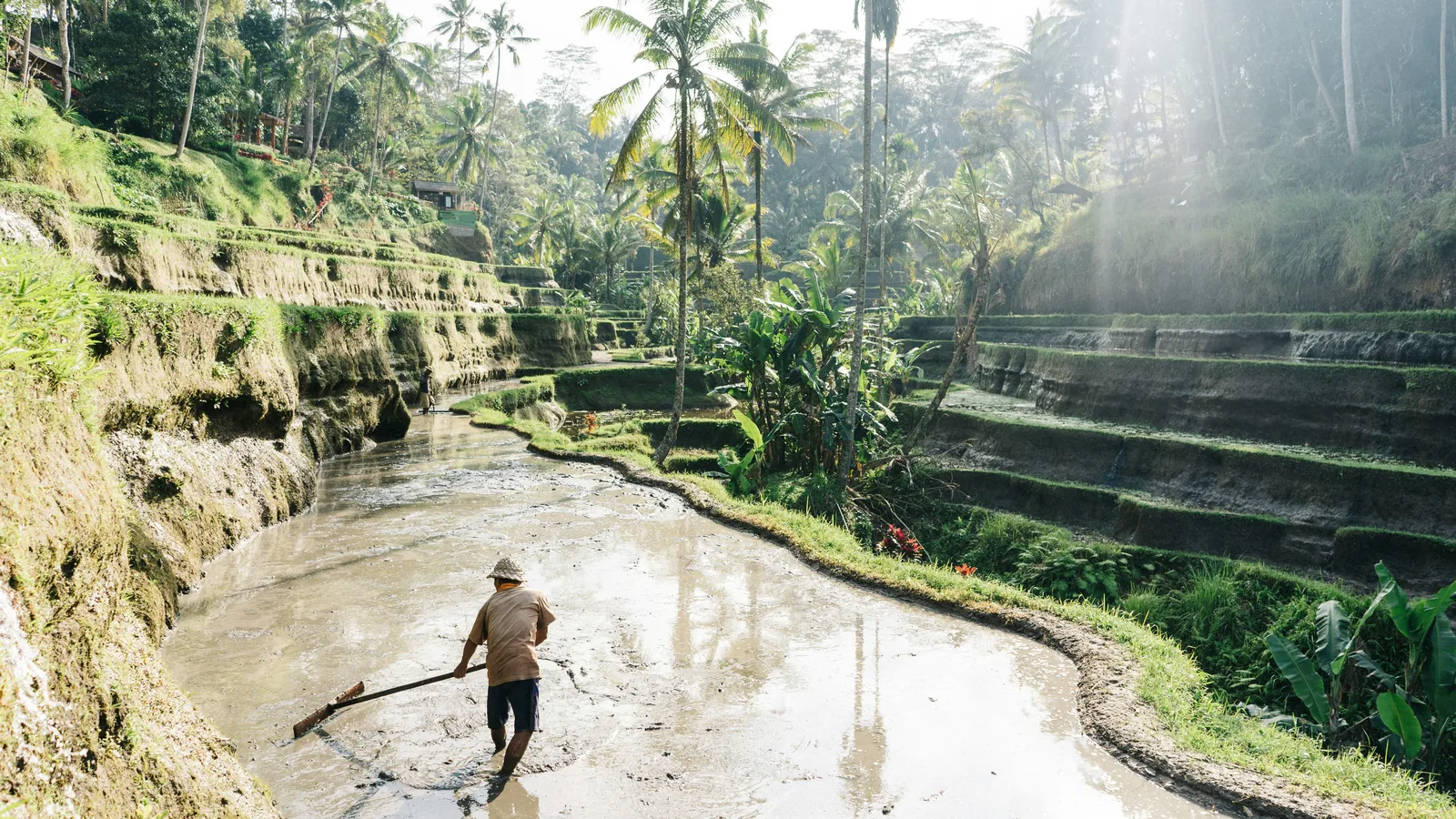
Photos on this page are placeholders. Replace them with school-provided images when available.
Similar schools




Areas families also consider
These areas appear often among similar schools. Use them as quick shortcuts while you’re shortlisting.
FAQ
Curriculum
International
Ages
12–18
Fees
Rp 120,000,000–Rp 160,000,000 /year
Type
School
Claim & upgrade this profile
School operator? You can claim this page to update fees, admissions notes, and photos. Verified and featured options are available and will be clearly labeled.