

School in Ubud. Ages 4–15. Curriculum: Sustainability, Outdoor.
Parent perspectives
These anonymized parent perspectives are intended to help families prepare questions for a tour or admissions conversation.
Bali Earth School had a warm, community feel that helped us settle in. Our 7-year-old made friends quickly and came home feeling positive about school.
We chose Bali Earth School for the eco-minded culture. It’s reassuring to have a learning pathway that feels internationally portable if our plans change.
We appreciated the balance between learning and outdoor time. Our 15-year-old came home in a good mood, and the environment felt safe and cared for.
Quick notes
- Sustainability and nature focus (reported)
- Website available
Recommended guides
View all guidesHow to Choose a School in Bali
School Fees in Bali: How to Compare Total First‑Year Cost
Admissions in Bali: Timeline, Documents, and What Happens Next
In-depth profile
- The quick picture
- What sustainability can look like in daily learning
- Who this can fit well
- What to ask on a tour
- The Bali reality: rain, mud, and comfort
- Fees and practicalities
- Bottom line
- “Earth” can be a curriculum, not a theme
- The tour test: ask for one current project
- Fit questions for parents
- Don't confuse "alternative" with "unclear"
There are two ways to teach sustainability.
One way is to teach children the vocabulary: climate change, recycling, carbon, ecosystems. The other way is to teach them the habits: noticing waste, repairing instead of replacing, understanding food, caring for land, thinking in systems.
Bali Earth School is positioned as a nature‑ and sustainability‑focused school in the Ubud area. If that mission matters to your family—not as a slogan, but as a lifestyle—this school can be worth a closer look.
The quick picture
The school is described as outdoor‑leaning and sustainability‑oriented, serving roughly primary‑to‑middle ages. In Bali, that approach makes sense. The island is a place where nature is close, but the consequences of tourism and consumption are also visible. Children don’t need abstract examples. They can see it.
The best “earth schools” take that reality and turn it into a child‑sized curriculum.
What sustainability can look like in daily learning
Sustainability isn’t only science. It’s math. It’s language. It’s ethics.
A strong sustainability‑based school might include:
- Gardening and food systems (how things grow, what soil needs)
- Composting and waste awareness (what’s left after lunch?)
- Projects that solve small problems on campus
- Nature study that builds observation and patience
But the deeper learning is often social: cooperation, responsibility, and long‑term thinking. Children learn that actions have consequences, not because adults lecture them, but because the world responds.
Who this can fit well
Bali Earth School can suit:
- Children who are most alive outdoors
- Kids who learn through hands‑on projects
- Families who want values (care, responsibility, community) integrated into school life
- Children who struggle in purely desk‑based environments
If your child is highly academic and loves clear structures, you’ll want to ask how the school balances projects with skill building in reading, writing, and math.
What to ask on a tour
Sustainability schools can sometimes be amazing at inspiration and less strong at measurement. So ask about both:
- What does literacy instruction look like across ages?
- How is math taught and tracked?
- How do they document progress (portfolios, assessments, conferences)?
- How do they support students who are behind or ahead?
Then ask the sustainability questions:
- What sustainability practices are part of daily life (waste, food, materials)?
- Are children involved in real responsibility (not just “crafts”)?
- How do they talk about big issues without creating anxiety?
Good sustainability education gives children agency, not doom.
The Bali reality: rain, mud, and comfort
Outdoor learning in Ubud includes rain. A lot of it.
Ask:
- What happens on heavy rain days?
- What is the clothing expectation (shoes, raincoats, spare clothes)?
- How do they keep children comfortable and safe?
A well‑run outdoor school has practical systems for this. It’s not glamorous, but it’s the difference between joyful outdoor time and constant discomfort.
Fees and practicalities
The fee range shown on this page is an estimate unless the school publishes a current fee table. Ask what is included: materials, excursions, uniforms, food. Sustainability‑oriented schools sometimes include more materials and activities; sometimes they keep things simple.
Bottom line
Bali Earth School is worth exploring if you want your child’s education to feel connected to real life: land, food, waste, responsibility, and community. The best indicator is not a mission statement. It’s the day‑to‑day habits you see when you visit. If sustainability is normal—quietly, practically, consistently—you’re in the right place.
“Earth” can be a curriculum, not a theme
A lot of schools use sustainability language. The stronger ones turn it into real practice: projects, habits, and community responsibility.
If Bali Earth School is a fit, you’ll usually notice it in the small stuff:
- children clean up after themselves without being chased
- learning is linked to real systems (waste, water, food, local environment)
- projects have outputs (a garden bed, a compost plan, a presentation)
The tour test: ask for one current project
Don’t ask what the school “believes in.” Ask what students are doing.
“Can you show me something students are building right now?”
A good answer could be a science inquiry, a sustainability project, a community service plan, a creative build. The point is that the school should be able to point to real work, not just ideals.
Fit questions for parents
- How do they balance outdoor project work with the basics (reading, writing, math)?
- What does assessment look like? (Even alternative schools need clarity.)
- What kind of child struggles here? (Every program has a mismatch.)
If the school can describe mismatches honestly, it’s usually a sign of maturity.
Don't confuse "alternative" with "unclear"
Some alternative programs avoid structure because they don't want to feel "traditional." That's a mistake.
Children (and parents) need clarity: what's the plan, what's the expectation, what does progress look like?
So ask Bali Earth:
- How do you track literacy and numeracy over time?
- What does a report or update look like?
- How do you support a child who needs more structure?
The more grounded the answers, the more likely the outdoor and sustainability pieces will feel sustainable too.
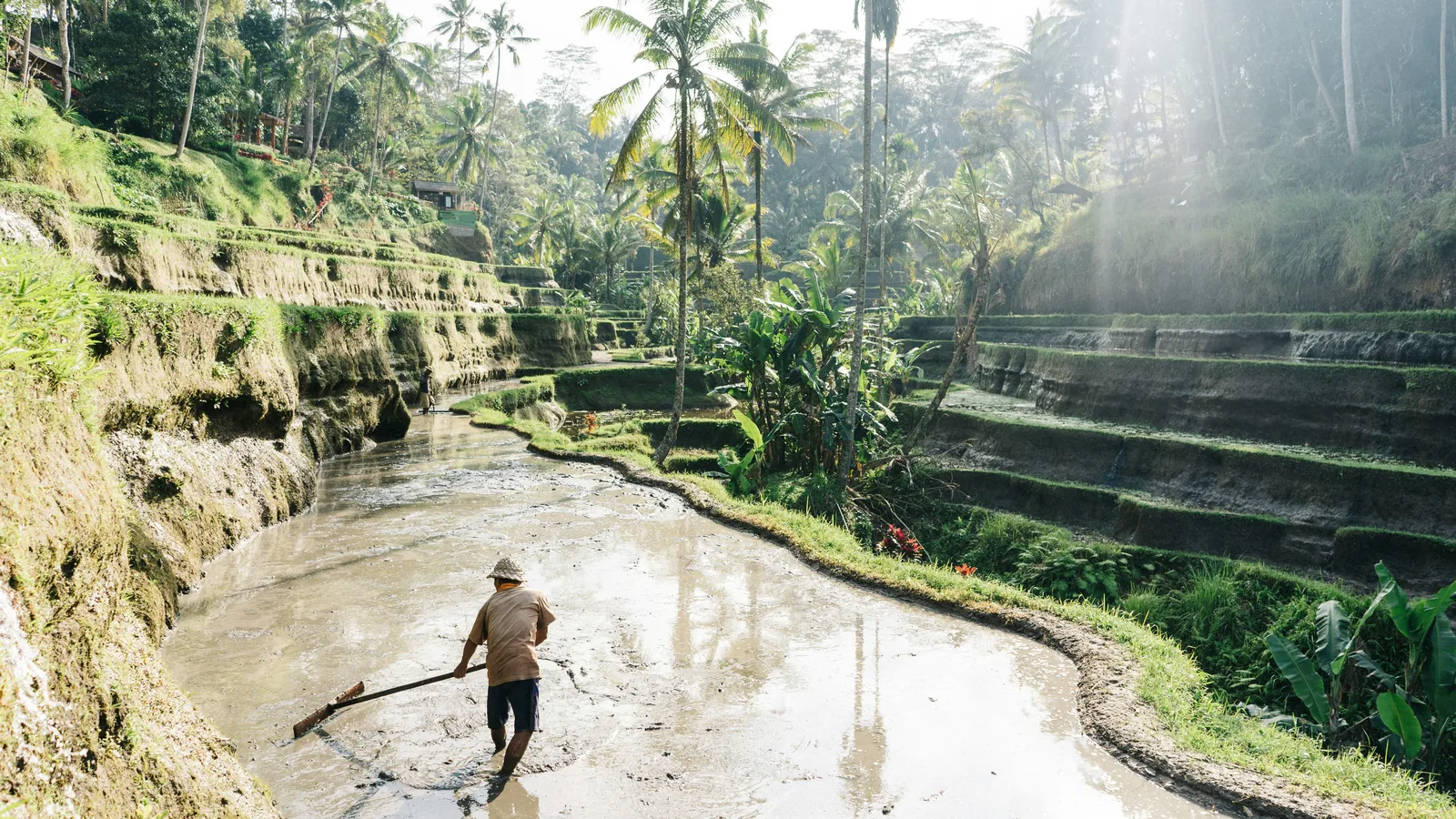
Photos on this page are placeholders. Replace them with school-provided images when available.
Similar schools



FAQ
Curriculum
Sustainability, Outdoor
Ages
4–15
Fees
Rp 80,000,000–Rp 150,000,000 /year
Type
School
Claim & upgrade this profile
School operator? You can claim this page to update fees, admissions notes, and photos. Verified and featured options are available and will be clearly labeled.