
Erdkinder Sekolah Montessori Bali
Montessori school in Ubud. Ages 3–15. Curriculum: Montessori.
Parent perspectives
These anonymized parent perspectives are intended to help families prepare questions for a tour or admissions conversation.
We were new to Ubud, and Erdkinder Sekolah Montessori Bali felt welcoming from the first week. Our 7-year-old settled in quickly and started looking forward to mornings.
We liked Montessori-style independence because it felt structured without being rigid. Our 12-year-old stayed engaged, and teacher feedback was clear and practical.
We appreciated the balance between learning and outdoor time. Our 15-year-old came home in a good mood, and the environment felt safe and cared for.
Quick notes
- Montessori curriculum, English instruction (per listing).
- Age range listed: 3–15.
- Fee range varies by age/program.
Recommended guides
View all guidesHow to Choose a School in Bali
School Fees in Bali: How to Compare Total First‑Year Cost
Admissions in Bali: Timeline, Documents, and What Happens Next
In-depth profile
- The quick picture
- Montessori done well is not loose
- The adolescent question
- Who this can fit well
- What to ask about training
- Fees and practicalities
- Bottom line
- A quick note on “Erdkinder”
- How to evaluate a Montessori program fast
- Teacher training matters more than the furniture
- Mixed ages can be a superpower
“Montessori” is a word that gets used a lot. Sometimes it means a real Montessori environment. Sometimes it means “there are wooden toys.”
Erdkinder Sekolah Montessori Bali is positioned as a Montessori school in the Ubud area, with an age range that can extend beyond the early years. The name “Erdkinder” is a clue: it’s the term Maria Montessori used for her adolescent vision—children of the earth—where teenagers learn through real work, community, and practical responsibility.
That’s an ambitious idea. And it’s exactly the kind of idea that can thrive in Bali—if it’s implemented with skill and structure.
The quick picture
A strong Montessori program usually includes:
- Mixed‑age classrooms (so children learn from each other)
- Long work cycles (so focus can deepen)
- Hands‑on materials that teach abstract concepts through touch
- Teachers who guide rather than lecture
If your child is independent, curious, and easily bored by “follow the worksheet,” Montessori can feel like a revelation.
Montessori done well is not loose
One common misunderstanding is that Montessori means “children do whatever they want.” Real Montessori is freedom within structure.
Children choose work, but the environment is carefully prepared. Materials are sequenced. Teachers observe closely and guide at the right moment. The room has clear social expectations. Independence is taught deliberately.
On a tour, you’re looking for a room that feels calm and purposeful—not chaotic.
Ask:
- How are children introduced to materials?
- How do teachers track progress without constant testing?
- What happens when a child avoids certain work (math, writing)?
- How do they support a child who needs more structure?
The adolescent question
If the school offers upper ages (or claims a pathway toward them), ask what the adolescent approach actually is. Montessori’s adolescent vision is practical: real work, community contribution, and learning that is connected to life.
In Bali, that can look like gardening, entrepreneurship projects, community service, real responsibility—not “fake adult” tasks.
But it requires adult leadership and clear planning. Ask:
- What does the program look like for ages 12+?
- How do they prepare students for transitions later (exams, other schools)?
- What does learning documentation look like?
Who this can fit well
Erdkinder can suit:
- Children who are self‑directed and like working at their own pace
- Kids who need hands‑on learning to understand abstract ideas
- Families who value independence and practical life skills
- Children who struggle in lecture‑heavy classrooms
It can also be helpful for children who have lost confidence in traditional schooling. Montessori’s respect for the child can rebuild that confidence—when the environment is well run.
What to ask about training
This is the uncomfortable question that saves families later: What Montessori training do the guides have?
Because “Montessori” is not just a vibe. It’s a method with specific materials and pedagogy.
Ask:
- Which training (AMI, AMS, other) do the lead guides have?
- How long have they worked in Montessori environments?
- How are assistants trained and supervised?
- How does the school handle consistency across classrooms?
Good schools welcome these questions.
Fees and practicalities
The fee range shown on this page is an estimate unless the school publishes a current fee table. Ask what is included (materials, outings, uniforms, extra language programs).
Also, ask about the school calendar and daily schedule. Montessori works best when children have uninterrupted work time.
Bottom line
Erdkinder Sekolah Montessori Bali is worth visiting if you want Montessori done with seriousness: independence, deep concentration, practical skills, and a classroom where children are trusted. The name suggests a big vision. Your job on a tour is to see whether the day‑to‑day reality matches it.
A quick note on “Erdkinder”
If you’ve come across Montessori before, “Erdkinder” is a word you might have heard in the context of older children. In Montessori language, it points to adolescence and the idea that teens learn well when they have real responsibility, real projects, and sometimes even real land‑based work.
Not every Montessori school uses the term the same way, so treat it as an invitation to ask good questions, not as a guarantee of a specific program.
How to evaluate a Montessori program fast
A Montessori environment isn’t defined by pretty shelves. It’s defined by freedom with structure.
On a tour, look for:
- children choosing work independently
- adults guiding without hovering
- materials that clearly build skills in steps
- a calm tone (busy doesn’t have to mean chaotic)
Then ask the crucial practical question: How do you support children who are new to Montessori?
Transitions matter. A good program has a plan.
Teacher training matters more than the furniture
Montessori is famous for materials, but the materials only work when adults are trained to use them properly.
Ask:
- Which Montessori certifications do lead teachers have?
- How long have they been teaching in Montessori classrooms?
- How do they guide without interrupting a child's concentration?
Then watch for one visible sign: adults should talk less than you expect. In strong Montessori rooms, children are doing the work. Adults are observing, guiding, and stepping in only when needed.
Mixed ages can be a superpower
Multi-age groups can look strange if you've never seen them. But when they work, something beautiful happens:
- younger children copy older children
- older children become leaders
- the room feels like a small community, not a cohort
Ask how the school supports older children so they still feel challenged - and how they support new children so they don't feel lost.
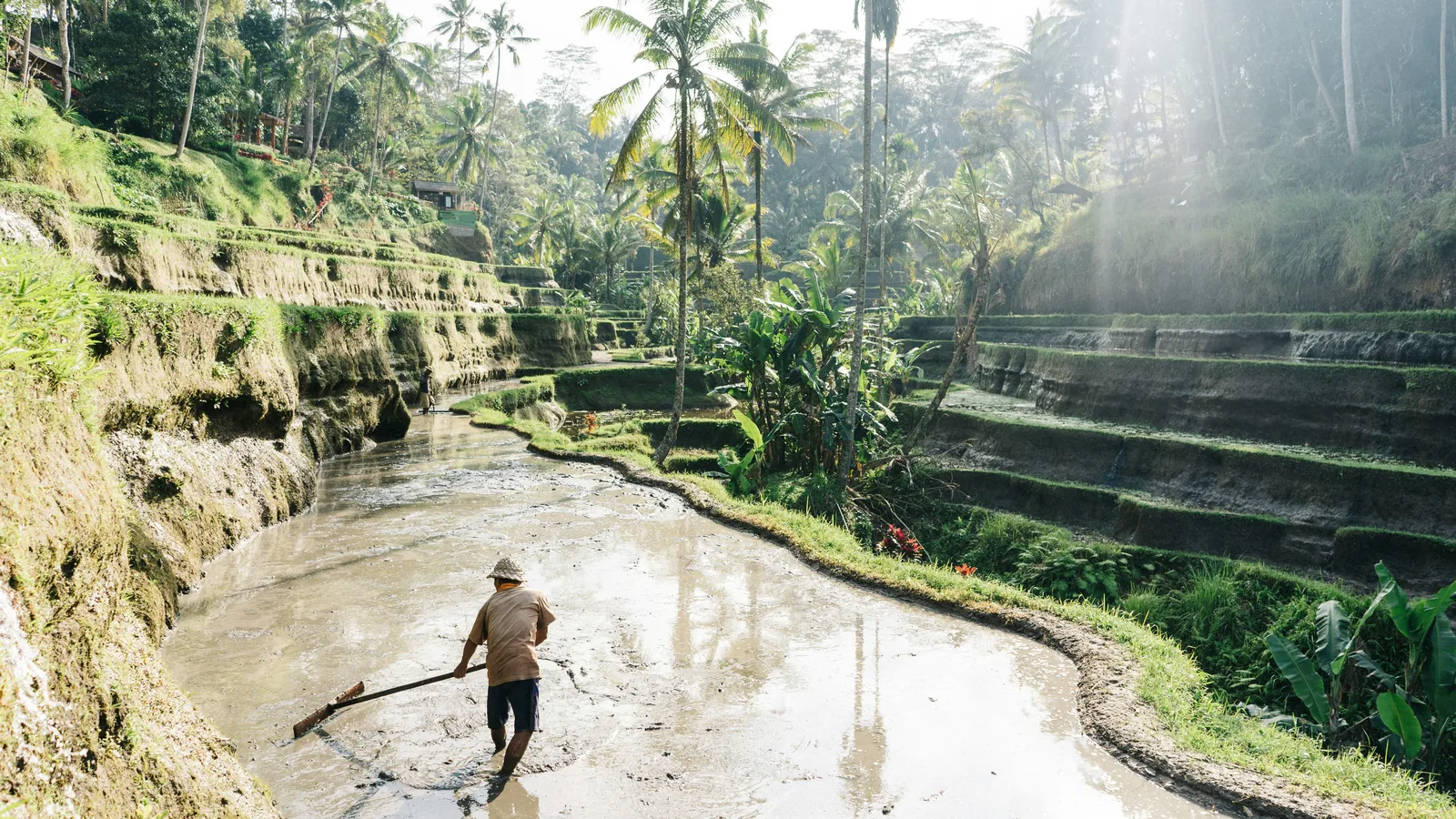
Photos on this page are placeholders. Replace them with school-provided images when available.
Similar schools



Areas families also consider
These areas appear often among similar schools. Use them as quick shortcuts while you’re shortlisting.
FAQ
Curriculum
Montessori
Ages
3–15
Fees
Rp 40,000,000–Rp 100,000,000 /year
Type
Montessori school
Address
Subak Kana, Banjar Panglan, Pejeng, Kec. Tampaksiring, Kabupaten Gianyar, Bali 80552, Indonesia
Map link: Google Maps
Claim & upgrade this profile
School operator? You can claim this page to update fees, admissions notes, and photos. Verified and featured options are available and will be clearly labeled.