
Jungle Hub Ubud
Learning centre in Ubud. Ages 2–7. Curriculum: Play-Based, Outdoor.
Parent perspectives
These anonymized parent perspectives are intended to help families prepare questions for a tour or admissions conversation.
Jungle Hub Ubud had a warm, community feel that helped us settle in. Our 5-year-old made friends quickly and came home feeling positive about school.
The fit with a gentle play-based setting has been great for our child. Lessons felt purposeful, and we noticed more confidence in class discussions.
The campus setup and routines felt smooth. It helped our 3-year-old feel secure and know what to expect each day.
Quick notes
- Play-based kids club
- Runs classes and camps
- Located at Bali Family Hangout (Ubud)
Recommended guides
View all guidesHow to Choose a School in Bali
School Fees in Bali: How to Compare Total First‑Year Cost
Admissions in Bali: Timeline, Documents, and What Happens Next
In-depth profile
Some children don’t need “more school.” They need more space to be children.
Jungle Hub Ubud is positioned as a play‑based kids club and learning space in the Ubud area, often associated with classes, camps, and creative activities. Think of it as a place where learning is woven into play—less like a formal timetable, more like a well‑designed environment.
The quick picture
Jungle Hub is commonly described as:
- Play‑based
- Outdoor‑friendly
- Creative and activity‑rich
- A mix of classes / camps / community offerings
For many families, that’s the appeal. It can be a gentle entry point for younger children, or a complement to other schooling.
Why “hub” matters
A hub is different from a school in one important way: it can be modular.
That can be a gift for Bali families, because life here is often modular too. Visas change. Travel happens. Families come and go. Children don’t always fit neatly into a one‑size‑fits‑all school year.
A hub can offer:
- Short programs
- Flexible enrolment
- A community place that isn’t dependent on long contracts
If you’re unsure about long‑term schooling yet, this kind of option can reduce pressure.
What to look for
In any play‑based environment, safety and structure are the invisible foundations. Ask:
- What are the staff‑to‑child ratios?
- What are the routines for arrival, snack, outdoor play, and transitions?
- How do adults handle conflict between children?
- What does the day look like when the weather is bad?
Also look at the “flow” of the space. Do children seem settled and engaged, or are they bouncing from activity to activity with no depth? Good play‑based programs create enough structure that children can go deeper.
Who this can fit well
Jungle Hub can suit:
- Younger children who learn best through movement and play
- Families who want a gentle, friendly community space
- Kids who need outdoor time to regulate their nervous systems
- Parents who prefer experiential learning over early academic push
It can also be useful for families in transition—new to Bali, unsure where to land, needing a stable routine while you figure out the bigger plan.
The “eco” piece
Some programs in Bali include simple ecology, gardening, or permaculture principles. If that’s part of Jungle Hub’s identity, ask what it looks like in practice:
- Is it occasional “nature crafts,” or regular gardening and care?
- Do children learn responsibility (watering, composting, cleaning up)?
- Is it age‑appropriate and joyful?
In Bali, eco learning is most powerful when it’s not preachy. It’s just normal life.
Fees and practicalities
The fee range shown on this page is an estimate unless Jungle Hub publishes a current fee table. Because this is a hub‑style program, ask what the fees refer to:
- Full‑time vs part‑time
- Camps vs regular weeks
- Drop‑in sessions vs term enrolment
Clarity here saves misunderstandings later.
Bottom line
Jungle Hub Ubud is worth considering if you want a lively, outdoor‑leaning learning space that feels less formal than a traditional school. The best way to evaluate it is to visit during active hours and watch how adults guide the group. In early years, the adult‑to‑child relationship is the curriculum.
What Jungle Hub can be (when you use it well)
A hub like this can play three roles, and each one feels different:
- A bridge — if your family is new to Bali, it can provide routine while you scout longer‑term schools.
- A complement — some families use a hub alongside homeschooling or part‑time schooling to add peers, projects, and social practice.
- A reset — for a child who has been “over-schooled,” a playful learning space can rebuild confidence.
The right role depends on your child and your schedule. The key is to decide what you’re using it for, so you don’t feel disappointed by something it never promised.
A detail from the guide that’s worth noticing
In the original Best School Bali guide, Jungle Hub is described as a drop‑in learning hub with group activities and family‑friendly facilities—an inspiring, play‑based environment where children connect with nature, explore through hands‑on learning, and build friendships.
That phrase “build friendships” matters more than it sounds. If your child is shy, new to Bali, or recovering socially, you want a place that helps children join in gently, not a place that rewards the loudest kid.
What to ask so you understand the “hub” model
- Which sessions are drop‑in, and which require booking?
- Is the group mostly the same children, or always changing?
- What is the plan for mixed ages?
- How do adults help a child who is watching but not joining?
If the answers are thoughtful, you’ve found a place that understands childhood—not just activities.
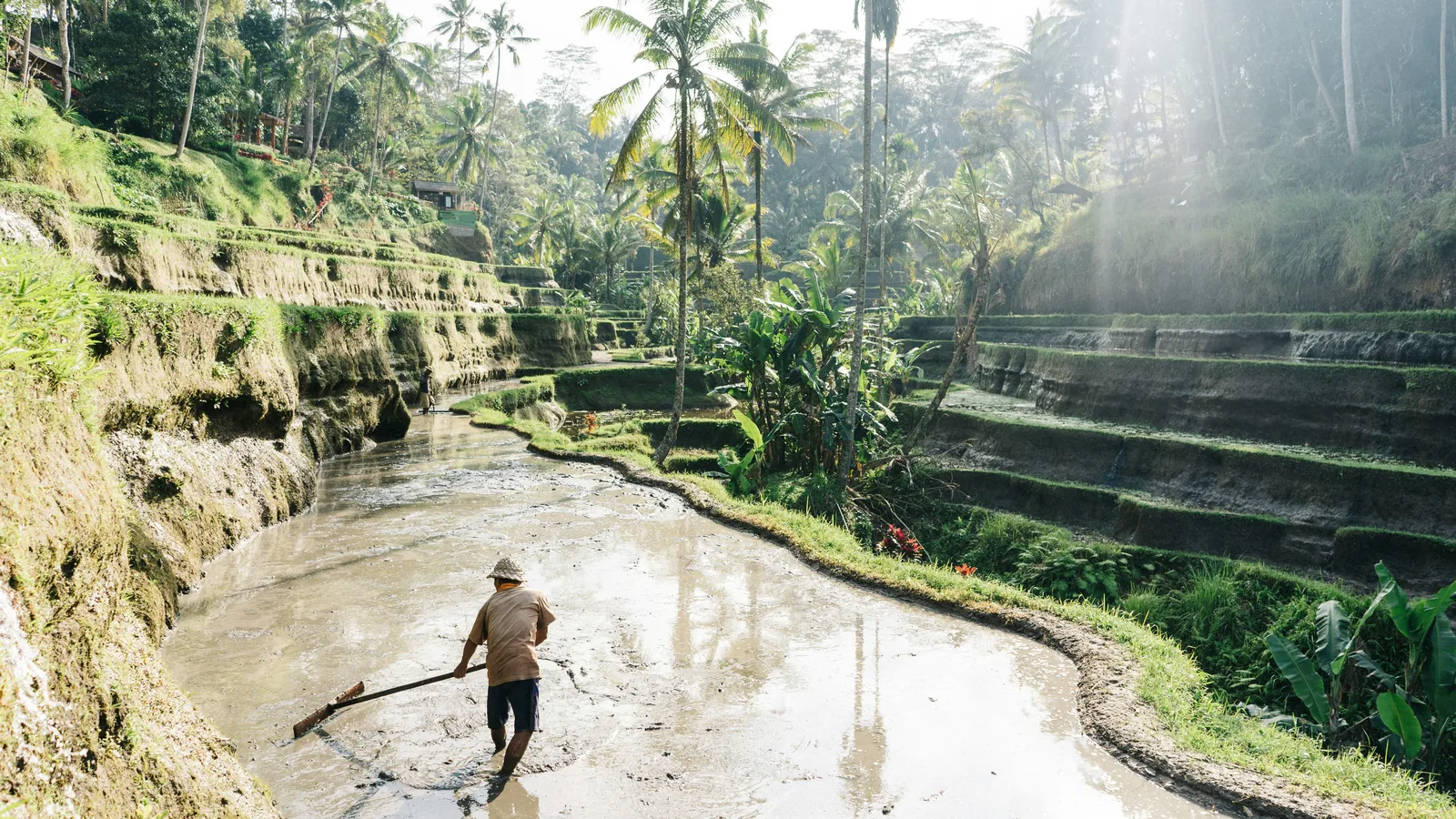
Photos on this page are placeholders. Replace them with school-provided images when available.
Similar schools




FAQ
Curriculum
Play-Based, Outdoor
Ages
2–7
Fees
Rp 40,000,000–Rp 100,000,000 /year
Type
Learning centre
Address
Jl. Katik Lantang, Singakerta, Ubud, Gianyar Regency, Bali 80571, Indonesia (confirm).
Map link: Google Maps
Claim & upgrade this profile
School operator? You can claim this page to update fees, admissions notes, and photos. Verified and featured options are available and will be clearly labeled.