

Pelangi School
International school in the Ubud area. Ages 2–14. Small campus with a community feel.
Parent perspectives
These anonymized parent perspectives are intended to help families prepare questions for a tour or admissions conversation.
Pelangi School had a warm, community feel that helped us settle in. Our 7-year-old made friends quickly and came home feeling positive about school.
We liked the international community feel because it felt structured without being rigid. Our 12-year-old stayed engaged, and teacher feedback was clear and practical.
Being based in Ubud made the routine manageable, and the school’s communication was straightforward. The day-to-day felt well organised.
Quick notes
- Early years through middle years (check current year levels).
- Campus nature area includes a butterfly program and local wildlife habitat (reported).
- Annual fees are listed by age and class level.
- Visit the website for admissions dates and a tour.
Recommended guides
View all guidesHow to Choose a School in Bali
School Fees in Bali: How to Compare Total First‑Year Cost
Admissions in Bali: Timeline, Documents, and What Happens Next
In-depth profile
At some schools, nature is a poster on the wall. At Pelangi School, nature is often right there with the children — not as a “lesson,” but as part of the rhythm of the day.
Pelangi is the kind of place that can feel quietly different within five minutes. You notice it in the pace. You notice it in the way teachers speak. You notice it in the small details that tell you what a school actually believes: how they use space, how they handle curiosity, how they treat the living world around them.
If you’re comparing schools in Bali, Pelangi often lands in a sweet spot. It’s not trying to be a giant, corporate-style campus. But it’s also not a tiny learning pod that changes shape every month. It tends to attract families who want a warm community, a solid learning program, and a school day that still feels like childhood.
A school that leans into “real life”
One of the nicest things about Pelangi is that it doesn’t pretend kids are only heads on sticks. Children learn with their whole bodies. They notice. They touch. They ask odd questions. A good school doesn’t fight that. It uses it.
If your child loves animals, plants, bugs, or simply being outdoors, Pelangi’s environment can be a huge advantage. The campus has been known for creating small habitats where children can observe life cycles up close — the kind of learning that sticks because it’s physical and memorable. You can read about metamorphosis. Or you can watch it.
The benefit is not only “science.” It’s empathy. It’s responsibility. It’s the quiet confidence children build when they learn how to care for something living.
Who Pelangi tends to suit
Pelangi can be a strong fit for:
- Families who want balance. Academic learning matters, but so does creativity, social connection, and emotional safety.
- Children who learn through experience. If your child remembers what they do more than what they hear, that’s a good signal.
- Kids who thrive in smaller communities. Some children get lost in very large schools. Others love the buzz. Pelangi often appeals to the first group.
It can also work well for families who want a school that feels “Bali” — not only in location, but in attitude. The island invites you to slow down a little. Pelangi tends to match that energy.
What to ask on a tour
Because Pelangi is popular with international families, the practical details matter. Ask:
- How is the school structured by age? Bali schools can place students differently depending on cut-off dates and readiness.
- What curriculum framework do you use day to day? Some schools mix approaches. That can be great — as long as it’s intentional.
- How do you support new students socially? Buddy systems, transition days, gentle onboarding.
- How do you handle language differences? If your child is learning English, ask what support is available in real terms.
- How much of the day is outdoors? “Nature-based” can mean anything from “we go outside sometimes” to “we live outside.” Clarify.
- How do you communicate with parents? In Bali, WhatsApp is often the real school office. Ask what channels they use and how often.
A small truth about choosing schools in Bali
Most parents arrive with a spreadsheet: fees, commute, curriculum, hours. That’s normal. But the decision is often made by a different set of senses. It’s made by atmosphere.
The atmosphere is built from small things:
- Do teachers seem present, not rushed?
- Do children look relaxed and engaged?
- Is the school clean and cared for?
- Are adults watching children, or talking over them?
In Bali, “warmth” is a real variable. Many schools feel nurturing. Some feel chaotic. Some feel polished but distant. Pelangi, for many families, feels genuinely human.
The “Pelangi question”
Here’s a question you can ask yourself after a visit:
Did my child become more themselves here, or less?
Some children get quieter in a new environment. That’s normal. But you can still see signals. Do they wander with interest? Do they ask to stay longer? Do they talk about what they saw?
A good school opens a child up. It doesn’t shrink them down.
Practical reminders before you decide
- Do a commute test. Canggu traffic gets the headlines, but Ubud routes can surprise you too.
- Confirm what’s included in fees. Registration, materials, uniforms, and extras can change the true cost.
- Ask about stability. In Bali, teacher turnover can be normal. Ask how the school keeps continuity for students.
Bottom line
Pelangi is often chosen by families who want a school that feels grounded: a place where children can learn seriously without losing the best parts of childhood.
It may not be the flashiest option. But “flashy” is not the same as “good.”
The best next step is simple: visit, ask clear questions, and watch your child. They usually give you the answer before you can talk yourself out of it.
Culture, language, and belonging
One of the underrated parts of schooling in Bali is cultural immersion. Even in international-style schools, children often experience local ceremonies, learn basic Bahasa Indonesia, and pick up everyday cultural cues simply by being here. If that matters to you, ask how Pelangi weaves local culture into the year. The goal isn’t a performance for parents. It’s belonging — the feeling that your child understands where they are, not just what they are studying.
If you’re only in Bali for a season
Many families come for six months or a year. If that’s you, talk about continuity. Ask how learning is documented, what kind of reports you’ll receive, and how easy it is to re-enter your home system later. A school that understands mobile families will be used to this question — and will answer it calmly and clearly.
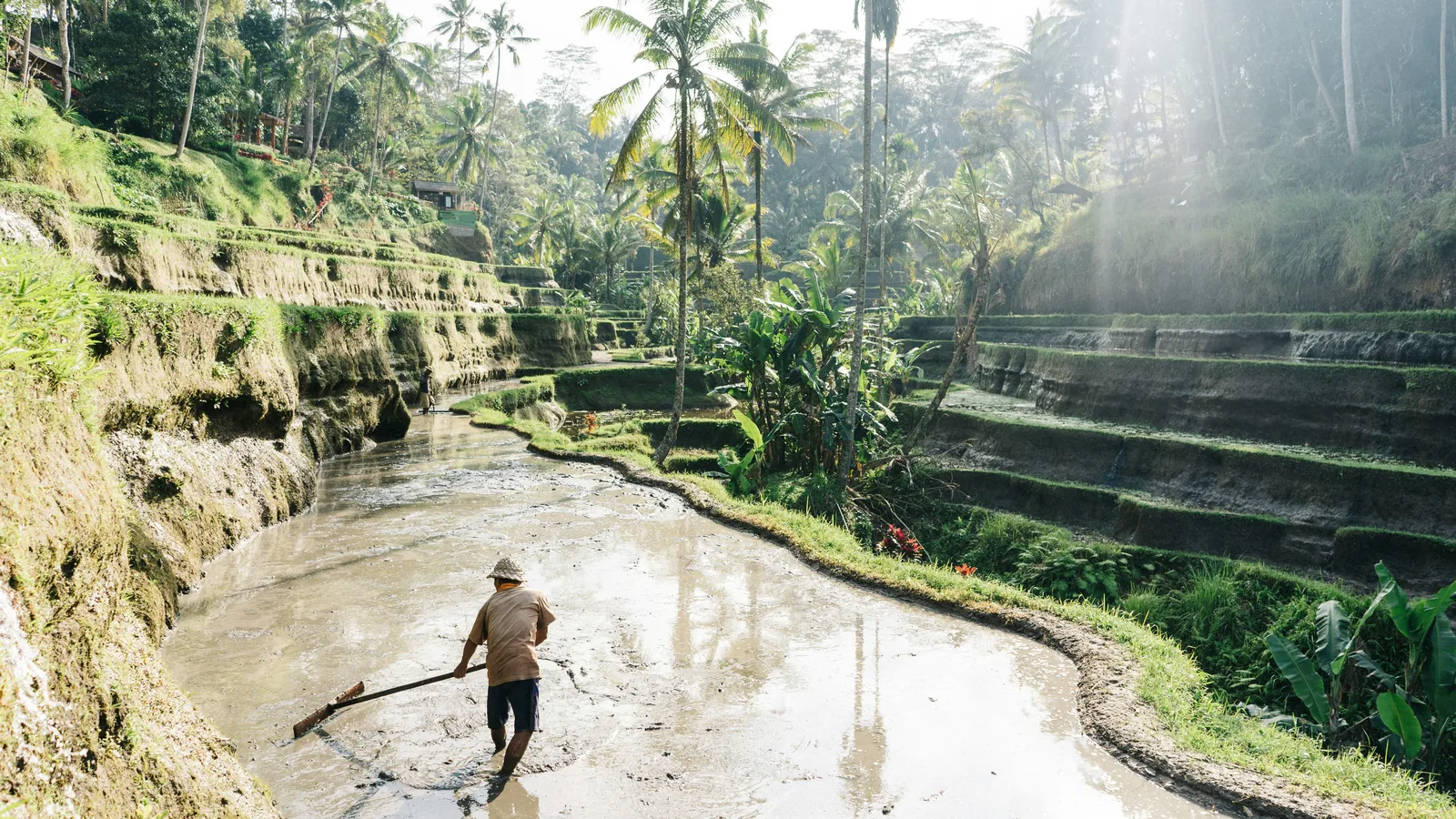
Photos on this page are placeholders. Replace them with school-provided images when available.
Similar schools



FAQ
Curriculum
Holistic, International
Ages
2–14
Fees
Rp 45,080,000–Rp 116,725,000 /year
Type
International school
Address
Ubud area (Mas, Gianyar) — exact address on school website.
Map link: Google Maps
Claim & upgrade this profile
School operator? You can claim this page to update fees, admissions notes, and photos. Verified and featured options are available and will be clearly labeled.