
The Open Flow - Learning Centre
Learning centre in Ubud. Ages 2–12. Curriculum: Learning centre.
Parent perspectives
These anonymized parent perspectives are intended to help families prepare questions for a tour or admissions conversation.
What stood out early was the calm, friendly atmosphere at The Open Flow - Learning Centre. For our 5-year-old, the first month was smoother than we expected.
the tutoring and support program suited our child well — a good balance of challenge and support. Communication about progress was consistent and helpful.
The admin side was refreshingly clear — fees, schedules, and expectations were easy to understand. That kind of transparency mattered to us.
Quick notes
- Learning centre
- Community and projects
- Ubud area
Recommended guides
View all guidesHow to Choose a School in Bali
School Fees in Bali: How to Compare Total First‑Year Cost
Admissions in Bali: Timeline, Documents, and What Happens Next
In-depth profile
The Open Flow sits in the space between “school” and “not school.”
That’s not a marketing trick. It’s a real need in Bali.
Some families arrive with children who have been in structured systems for years and want something gentler. Others arrive with children who have never attended a formal school and need a soft entry. Some have kids who are thriving academically but starving socially. Others have the opposite problem.
A learning centre—done well—can be a flexible bridge for all of them.
The quick picture
The Open Flow is described as a learning centre in the Ubud area, with a flexible approach and an emphasis on community and projects. The phrase “learning centre” matters: it often signals smaller groups, a less rigid timetable, and more room to tailor the experience.
That flexibility can be a gift. It can also be a trap—if “flexible” means “unclear.” So the key is to understand how the centre balances freedom with structure.
What “flow” can mean in practice
In the best learning environments, “flow” isn’t chaos. It’s engagement.
It’s the moment when a child is so absorbed in a task that time disappears. You see it when children build something complicated, write a story they care about, or solve a problem that feels real.
A centre that understands flow will design the day to protect it: longer work blocks, fewer pointless transitions, and adults who know when to step in and when to step back.
When you visit, ask:
- How long are the learning blocks?
- What does a “good day” look like here?
- How do adults support focus without controlling everything?
Who this can fit well
Open Flow can be a strong match for:
- Children who learn best through projects and hands‑on work.
- Families who want a smaller, more personal environment than a large school.
- Kids who need flexibility (travel, transitions, part‑time schedules).
- Children who don’t thrive under constant testing but still need real academic progress.
It can also be a good fit for children who are bright but bored. Often, boredom is not laziness—it’s a mismatch between a child’s curiosity and the tasks they’re given.
The questions that matter most
Because the centre is flexible, the most important questions are about clarity:
- What subjects are covered, and how are they tracked over time?
- How do you measure progress in reading, writing, and math?
- If a child needs support, what does that support look like?
- If a child is advanced, how do you extend learning without just “adding more work”?
If the centre can answer those questions simply, that’s a very good sign.
Community: the secret ingredient
A learning centre can do something big schools often struggle with: it can create a stronger sense of “we.”
In a smaller environment, children are more likely to be known, not managed. They’re more likely to be guided in conflict repair instead of just being told to stop. They’re more likely to be given real responsibility, not just rules.
If community is part of the centre’s identity, ask how it’s built:
- Are there group circles or check‑ins?
- Are mixed ages used intentionally?
- How are disagreements handled?
- How do new children join the group?
A strong community doesn’t just happen. It’s designed.
Fees and practicalities
The fee range shown on this page is an estimate unless the centre publishes a current fee table. When you ask about fees, also ask about what’s included: materials, trips, special workshops, and whether there are optional add‑ons.
Because this is a learning centre, scheduling matters too. Ask:
- Is it full‑time or part‑time?
- What are the start/end times?
- Are there short programs or term‑based enrolments?
Bottom line
The Open Flow is worth exploring if your family wants learning that feels more human—less like a conveyor belt and more like a workshop. The best way to judge it is to look for two things: kids who are genuinely engaged, and adults who can explain the structure without sounding defensive. Flexibility is powerful when it’s built on clarity.
Why “open flow” appeals to Bali families
Bali attracts families who want more than academic achievement. They want a different pace. More nature. More community. More meaning.
Learning centres like Open Flow often sit right in that sweet spot. They can be less formal than a large international school, but more structured than informal playgroups.
In the guide, Open Flow is mentioned among nature‑leaning schools that are open to short‑term enrolments and camps. If your family is not ready to commit to a full year, that flexibility can be the deciding factor.
What to clarify on a tour
Flexibility is great—until you realize you don’t know what you’re paying for.
Ask:
- what “full time” means (days per week, hours per day)
- what a typical week looks like (projects, literacy, outdoors, group time)
- how they document learning for parents
If the school can show you work in progress, it usually means the learning is real.
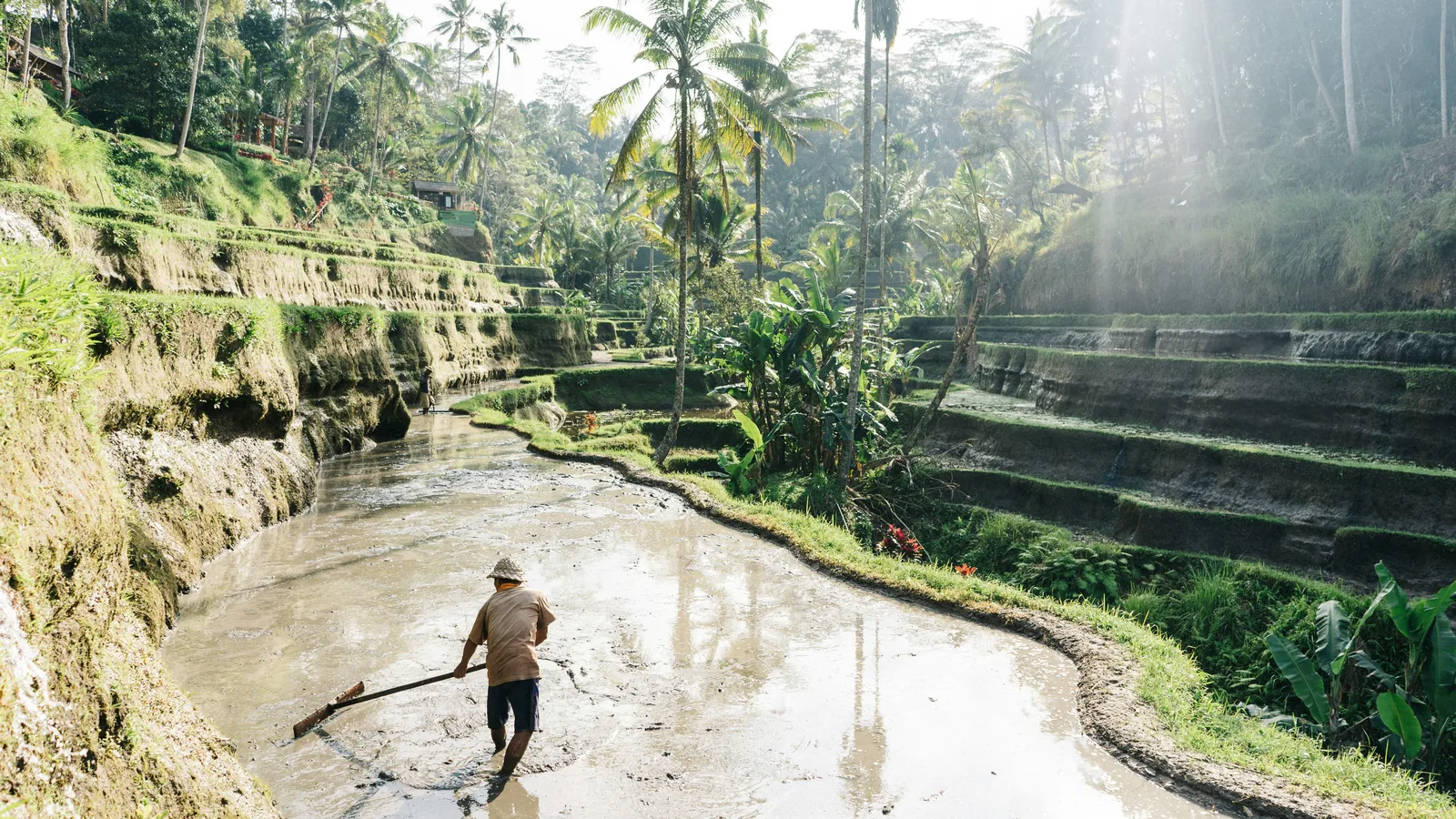
Photos on this page are placeholders. Replace them with school-provided images when available.
Similar schools

Areas families also consider
These areas appear often among similar schools. Use them as quick shortcuts while you’re shortlisting.
FAQ
Curriculum
Learning centre
Ages
2–12
Fees
Rp 60,000,000–Rp 160,000,000 /year
Type
Learning centre
Address
Gg. Pemuwunan, Lukluk, Kec. Mengwi, Kabupaten Badung, Bali 80351, Indonesia (confirm).
Map link: Google Maps
Claim & upgrade this profile
School operator? You can claim this page to update fees, admissions notes, and photos. Verified and featured options are available and will be clearly labeled.