

Secondary program in Ubud. Ages 12–17. Cambridge / IGCSE-style academics (confirm current pathway).
Parent perspectives
These anonymized parent perspectives are intended to help families prepare questions for a tour or admissions conversation.
The community at Ubud High made a big difference for our family. Our 12-year-old found their feet fast, and the transition felt genuinely supported.
We liked the Cambridge track because it felt structured without being rigid. Our 16-year-old stayed engaged, and teacher feedback was clear and practical.
Being based in Ubud made the routine manageable, and the school’s communication was straightforward. The day-to-day felt well organised.
Quick notes
- Secondary focus (middle/high school ages).
- Cambridge / IGCSE-style pathway is commonly reported — confirm subjects and exam options.
- Fees shown are a rough range — confirm your child’s year level and payment schedule.
Recommended guides
View all guidesHow to Choose a School in Bali
School Fees in Bali: How to Compare Total First‑Year Cost
Admissions in Bali: Timeline, Documents, and What Happens Next
In-depth profile
- The quick picture
- Secondary school is about options
- What to look for in the learning environment
- Who this can fit well
- The Bali reality: balance and boundaries
- Fees and practicalities
- Bottom line
- The three things that decide a teen’s school experience
- A practical way to compare pathways
- The Bali advantage (when it’s used wisely)
- The question that makes teens take school seriously
- A simple safeguard for parents
Choosing a secondary program in Bali is different from choosing a preschool.
With younger children, you can take a little risk. You can prioritize joy, outdoors, community, and trust that academics will catch up. With teenagers, the clock is louder. Pathways matter. Credits matter. Exams matter. Options matter.
Ubud High is positioned as a secondary‑age program in the Ubud area, often associated with a Cambridge/IGCSE‑style academic pathway. If you want your teen to have structure without losing the Bali lifestyle, this is the kind of program to evaluate carefully.
The quick picture
Ubud High is described as serving roughly ages 12–17, with an academic approach that resembles Cambridge / IGCSE style learning (confirm the current subject list and exam options directly with the school).
The attraction is obvious: a focused secondary environment in Ubud, where students can study seriously while living in a calmer, nature‑connected setting.
Secondary school is about options
In teenage years, “good schooling” is less about perfect grades and more about keeping doors open.
So your tour questions should be practical:
- Which subjects are offered at each level?
- Are there recognized exams? If yes, which ones and when?
- How are transcripts created for students who may move countries?
- What happens if a student needs extra support in math or English?
- What happens if a student is advanced and needs challenge?
A strong program will answer with clarity, not vague inspiration.
What to look for in the learning environment
For teens, the atmosphere matters as much as the curriculum. Look for:
- Adults who speak to teens with respect (not sarcasm, not over‑friendliness)
- Clear routines and expectations (because teens actually feel safer with structure)
- Real discussion and critical thinking (not only “copy notes, repeat answers”)
- Opportunities to present work, lead, and collaborate
Also notice whether students look engaged. Boredom is a bigger risk than difficulty.
Who this can fit well
Ubud High can suit:
- Teens who want an academic pathway but prefer a smaller, more personal setting
- Families who live in or near Ubud and don’t want the daily commute to the coast
- Students who do better when adults actually know them (not just their test scores)
It can also be a fit for teens in transition—new to Bali, rebuilding their social world, needing stability and mentoring.
The Bali reality: balance and boundaries
Ubud can be a wonderful place for adolescents, but it also requires boundaries. A good program will have clear expectations around attendance, deadlines, and behaviour. Teens usually respect boundaries when the boundaries are fair.
Ask:
- How do you handle late work?
- What does support look like before consequences?
- How do you communicate with parents?
Fees and practicalities
The fee range shown on this page is an estimate unless the program publishes a current fee table. For secondary programs, also ask about additional costs:
- exam registration
- special subject materials
- optional tutoring or support sessions
- trips, events, and extracurriculars
Bottom line
Ubud High is worth a serious look if you want secondary structure in Ubud with a pathway that can travel with your child. The key is clarity: subjects, assessment, and transitions. Bring your teen to the tour. Let them ask questions. The right secondary program is the one where a teenager feels both challenged and understood.
The three things that decide a teen’s school experience
Most secondary school choices look academic on paper. In real life, three things decide whether a teenager thrives:
- Peer culture — who are they surrounded by, and what’s “cool” in that group?
- Adult guidance — are teachers mentors, or just subject deliverers?
- Momentum — does the program create healthy pressure (structure), or exhausting pressure (constant stress)?
So when you visit Ubud High, don’t only look at the curriculum. Look at the social tone. Watch how adults speak to students in the hallway. Ask a teen what they’re currently proud of. Their answer will tell you whether the school builds competence or just compliance.
A practical way to compare pathways
If you are considering moving countries later, ask for one real example:
- “If a student leaves in June, what documents do you provide?”
- “If a student joins mid‑year, how do you place them?”
- “If a student wants university, who supports that process?”
Good schools have done this before. They can describe it without hesitation.
The Bali advantage (when it’s used wisely)
Ubud can be a calmer place for secondary students—less party pressure than some coastal pockets, more nature, more quiet. But the advantage only works if the program has clear habits: attendance, deadlines, and honest feedback. Teens do not need “freedom.” They need freedom plus structure.
The question that makes teens take school seriously
Ask any teenager what they hate about school and you'll often hear: "It doesn't matter."
So ask Ubud High one very specific question: How do students see the point of what they're learning?
Good answers include:
- projects connected to real problems
- presentations to real audiences
- responsibility and leadership
- clear pathways (exams, credits, future options)
When teens can see the point, they try harder - not because they're forced, but because it feels worth it.
A simple safeguard for parents
If your teen is anxious, ask what support looks like before consequences.
If your teen is unmotivated, ask how they build habits and accountability.
If your teen is ambitious, ask how they stretch top students.
Secondary success is not one-size-fits-all. It's a set of supports that catch different kinds of students.
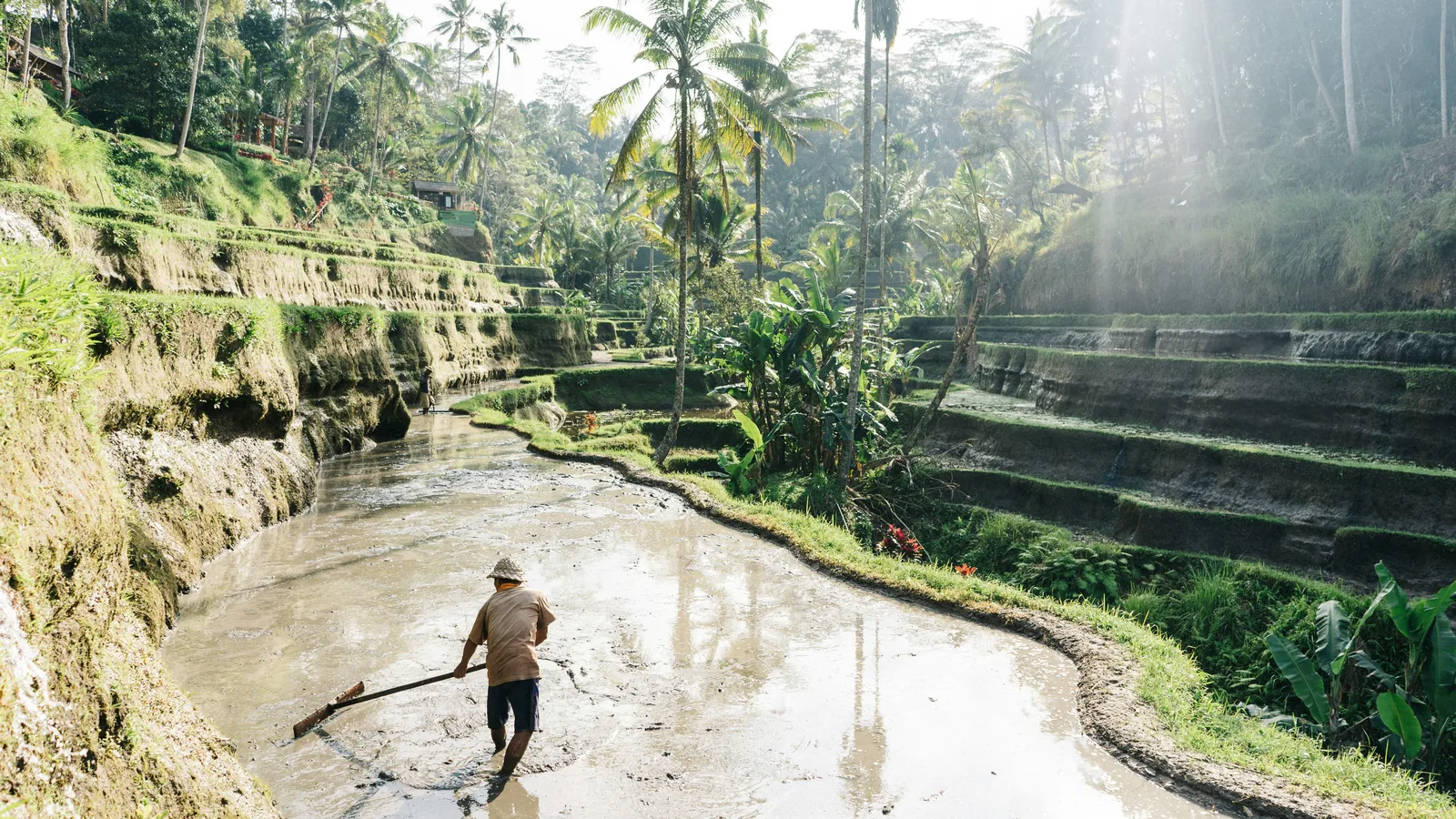
Photos on this page are placeholders. Replace them with school-provided images when available.
Similar schools



FAQ
Curriculum
Cambridge
Ages
12–17
Fees
Rp 40,000,000–Rp 80,000,000 /year
Type
School
Claim & upgrade this profile
School operator? You can claim this page to update fees, admissions notes, and photos. Verified and featured options are available and will be clearly labeled.