
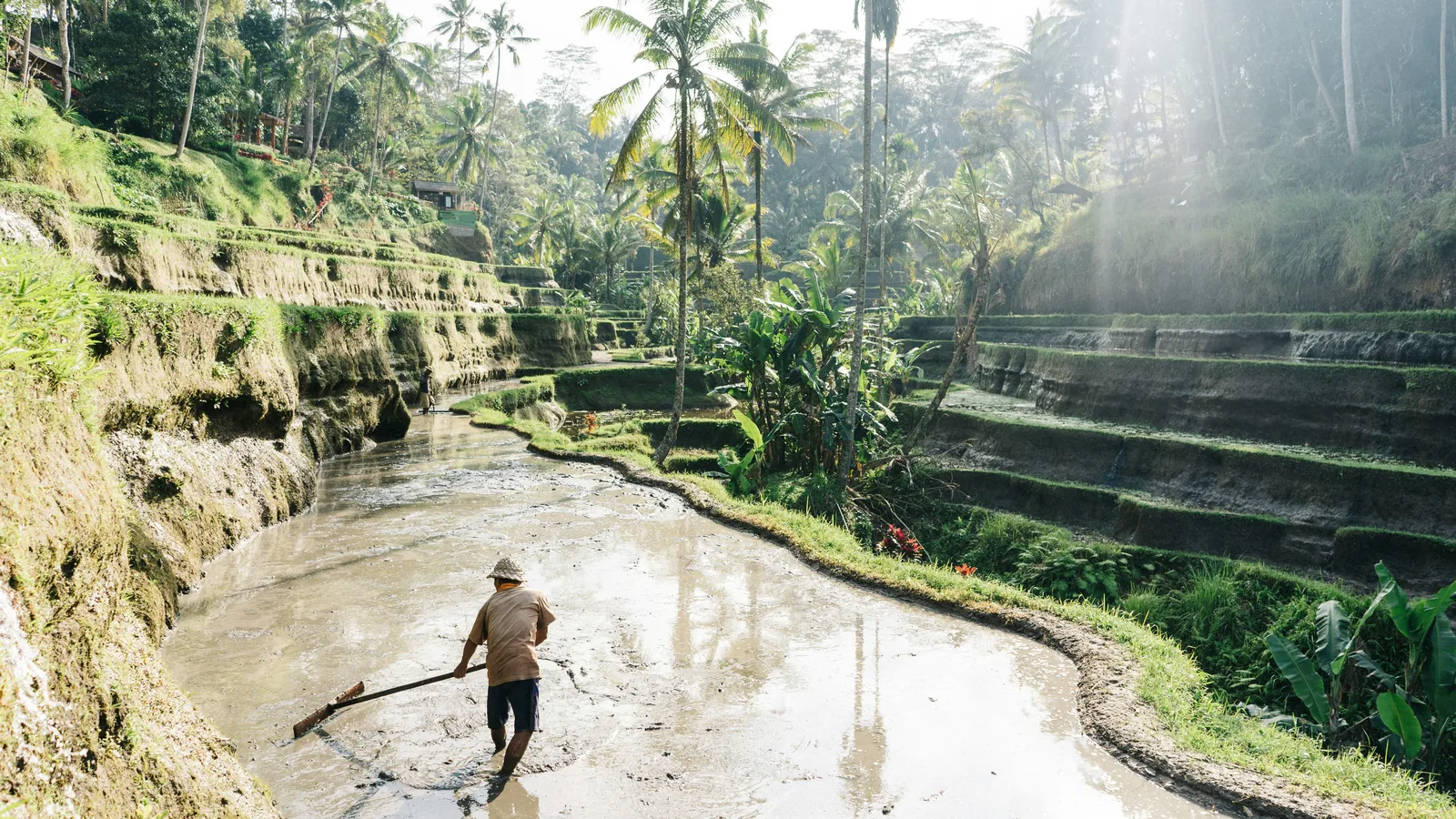

Nature-based school near Ubud. Ages 3–18. Outdoor learning with international-style academics.
Parent perspectives
These anonymized parent perspectives are intended to help families prepare questions for a tour or admissions conversation.
We were new to Ubud, and Wood School felt welcoming from the first week. Our 7-year-old settled in quickly and started looking forward to mornings.
The fit with a nature-based approach has been great for our child. Lessons felt purposeful, and we noticed more confidence in class discussions.
Being based in Ubud made the routine manageable, and the school’s communication was straightforward. The day-to-day felt well organised.
Quick notes
- Nature-based campus with lots of outdoor time.
- On-campus animals are part of daily life (reported), including rescue animals cared for by the community.
- Food focus includes local ingredients when possible (reported).
- Ask the school about year levels, calendar, and current fees.
Recommended guides
View all guidesHow to Choose a School in Bali
School Fees in Bali: How to Compare Total First‑Year Cost
Admissions in Bali: Timeline, Documents, and What Happens Next
In-depth profile
Wood School is one of those places where the setting isn’t just decoration—it’s part of the lesson plan.
In many schools, nature is a unit you do for two weeks. You learn about ecosystems, you draw a food chain, you move on. Here, nature is the classroom you walk through to get to class. It’s the thing that interrupts you, surprises you, forces you to pay attention. And for a lot of children—especially kids who don’t shine in a purely indoor, desk‑based routine—that shift can be a turning point.
The quick picture
Wood School is in the Ubud area and is often described as a nature‑based school with international‑style academics. Families usually notice two things first:
- Children spend a lot of time outdoors.
- The school culture leans practical and hands‑on, not just theoretical.
If your child learns best through movement, making, building, planting, caring, cooking, fixing—this kind of environment can feel like permission to be themselves.
Why animals change the atmosphere
Many “outdoor schools” use nature as scenery. The stronger ones use it as responsibility.
If a school includes animals as part of daily life, it does something subtle: it introduces a relationship that can’t be negotiated with words. You can’t persuade a chicken to be impressed by your resume. You can’t “win” an argument with a goat. Caring for living things teaches patience, observation, and humility in a way adults can’t lecture into a child.
If that’s part of the Wood School experience (and it’s commonly reported), it’s worth asking how it works in practice:
- Is animal care structured into the day or optional?
- Who is responsible, and how are children guided?
- What are the safety routines?
You’re not trying to be difficult. You’re trying to understand whether the “nature” is real, or just branding.
Learning that looks like real life
In Bali, the word “project” can mean a lot of things. Sometimes it means “a poster.” Sometimes it means “a problem.”
A strong project‑based school gives kids problems that feel real:
- How do we reduce waste at lunch?
- How do we measure growth in a garden bed?
- How do we explain something complex to a younger child?
- How do we turn an idea into something you can actually hold?
If you’re touring, ask to see student work that shows process, not just outcomes. The most meaningful learning usually looks messy in the middle.
Who this school can fit well
Wood School often suits families who want:
- More outdoor time without giving up literacy and numeracy.
- Children who are energetic and need space to move.
- Kids who love animals and learn through care and responsibility.
- A community feel, where adults know the children beyond grades.
It can also be a good fit for kids who struggle with “sit still and listen.” Some children are not bad students—they’re just stuck in the wrong environment.
What to ask (the questions that save you later)
Because the school is described as “international‑style academics,” ask for clarity on the academic pathway:
- How is reading taught? What does progress look like?
- What does math look like across ages?
- How do they support children who are ahead or behind?
- For older students: what are the options for exams, transitions, or recognized outcomes?
Also ask about the practical rhythm:
- What does a typical week look like?
- How do they handle rainy season days?
- How do they balance freedom with structure?
The best outdoor schools aren’t chaotic. They’re purposeful.
Fees and practicalities
The fee range shown on this page is an estimate unless the school publishes a current fee table. When you speak with the school, ask what’s included (materials, lunches, trips, uniforms, after‑school).
Also: do the commute test. Ubud traffic is its own subject.
Bottom line
Wood School is appealing for a simple reason: it offers a version of education that feels closer to real life. When children can move, build, care, and create—and still learn to read well and think clearly—school stops being a battle and starts being a place they belong.
A detail that tells you what the school values
In the Best School Bali guide, Wood School is mentioned for something surprisingly specific: a rescued water buffalo, cared for through the school’s zero‑waste food program and composting—plus rescue dogs and chickens on campus.
That detail is more than cute. It signals a worldview: responsibility is not a classroom topic. It’s a daily practice.
If that’s accurate on your visit, it means children aren’t just “learning about sustainability.” They’re living inside it.
The right questions (so the vibe matches the reality)
- How do they balance outdoor projects with academic progression?
- What does assessment look like year to year?
- How do they support children who need extra structure?
- How do they handle safety around animals and outdoor spaces?
A strong nature‑based school has clear systems. The more “wild” the campus feels, the more important the invisible structure becomes.
Photos on this page are placeholders. Replace them with school-provided images when available.
Similar schools



FAQ
Curriculum
International, Nature-based, Outdoor
Ages
3–18
Fees
Rp 100,000,000–Rp 160,000,000 /year
Type
School
Claim & upgrade this profile
School operator? You can claim this page to update fees, admissions notes, and photos. Verified and featured options are available and will be clearly labeled.